
Latest articles
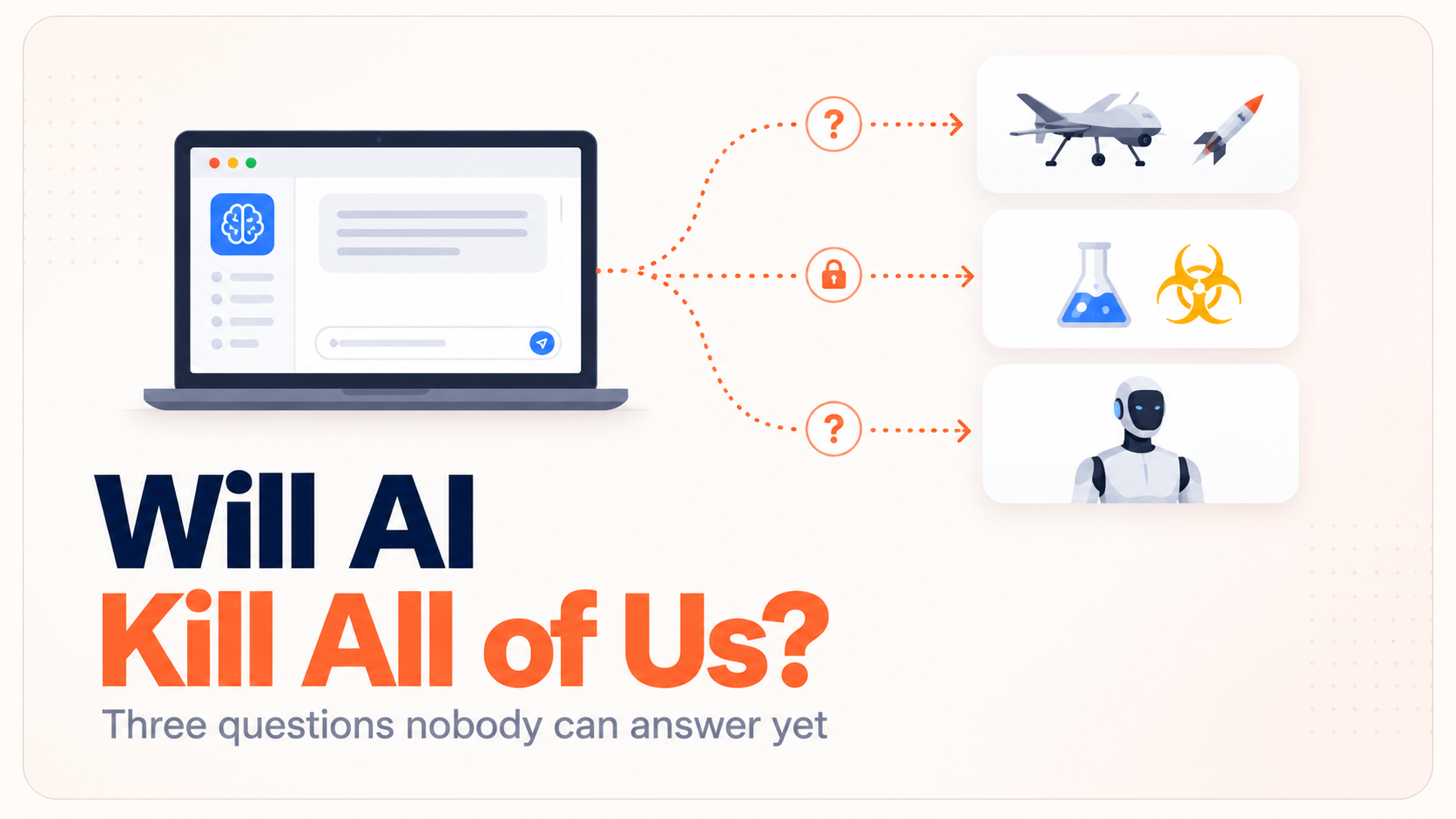
Will AI Kill All of Us? Three Questions No One Can Answer Yet
This may be the most difficult question human beings have ever asked. The uncomfortable part is that nobody currently has a reliable answer.
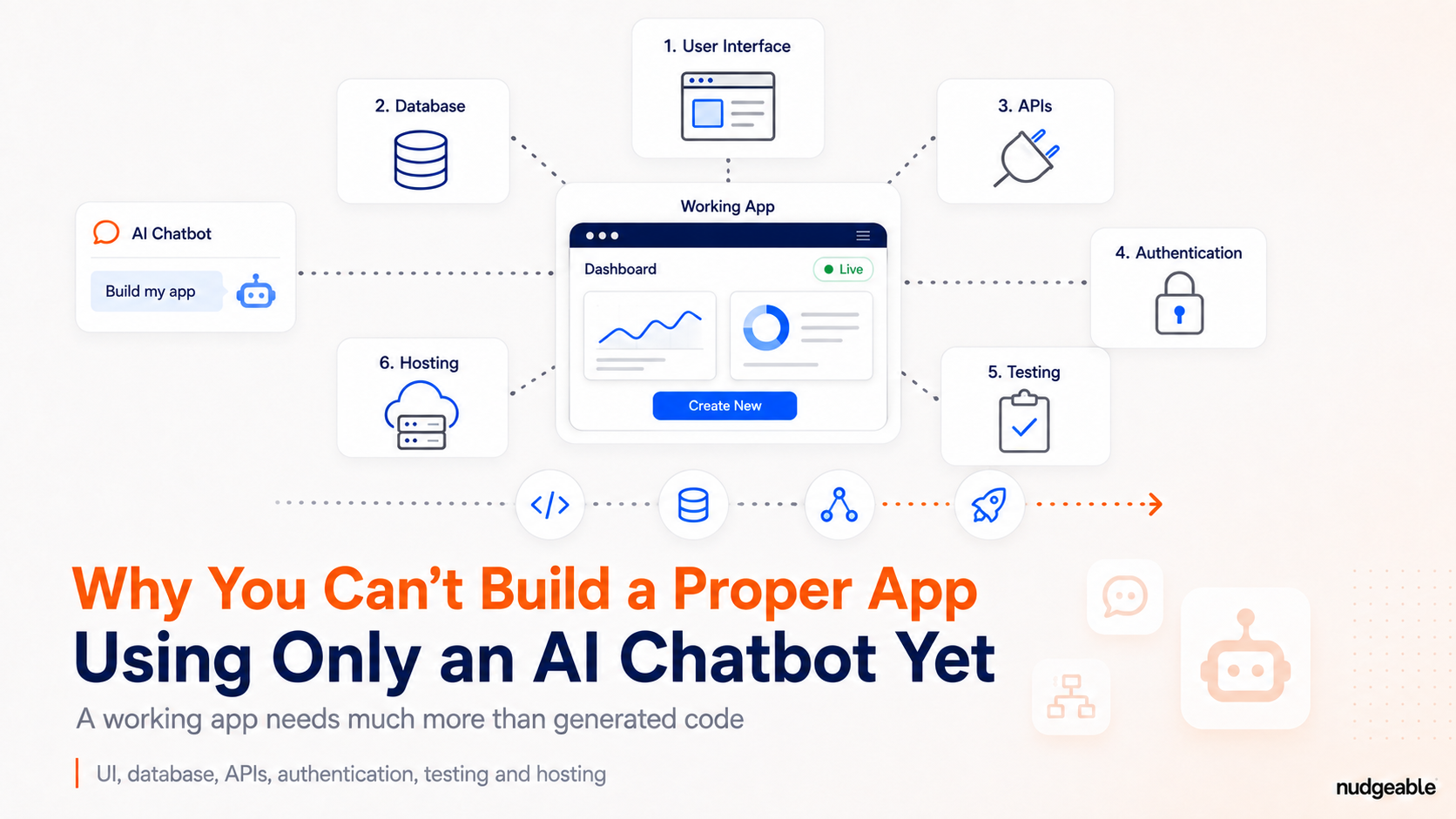
Why You Cannot Build a Working App With AI Without Knowing Code
AI can generate much of an application’s code within minutes. A usable product also needs data storage, permissions, hosting, integrations and production controls. Understanding how these pieces fit together is becoming more important than writing every line yourself.
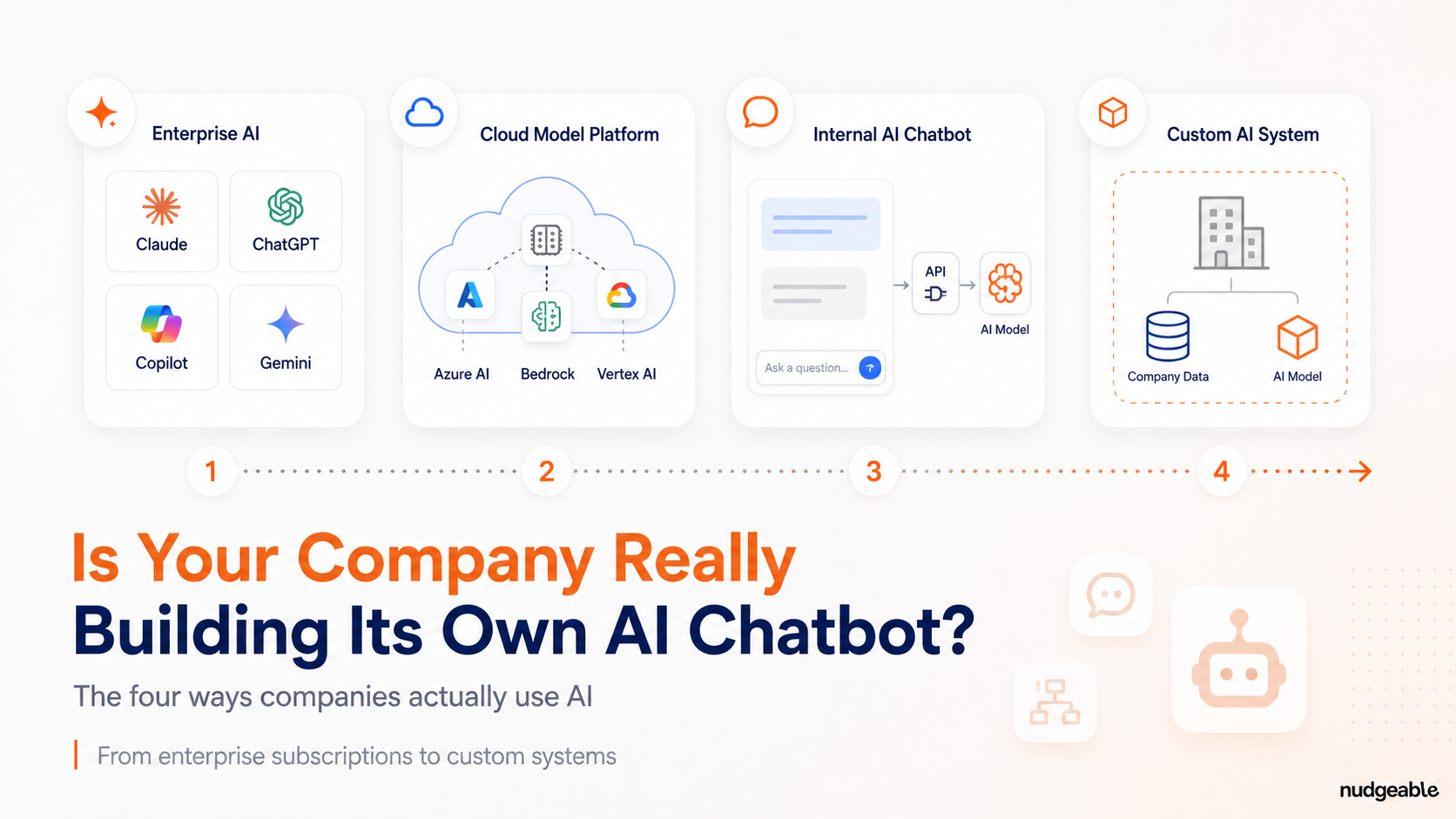
Did Your Company Really Build Its Own AI Chatbot? Usually, One of Four Things Happened
An AI chatbot has several layers. The AI model produces the answer. The product layer adds company knowledge, tools, memory, permissions and workflows. The interface is where the employee types a question.
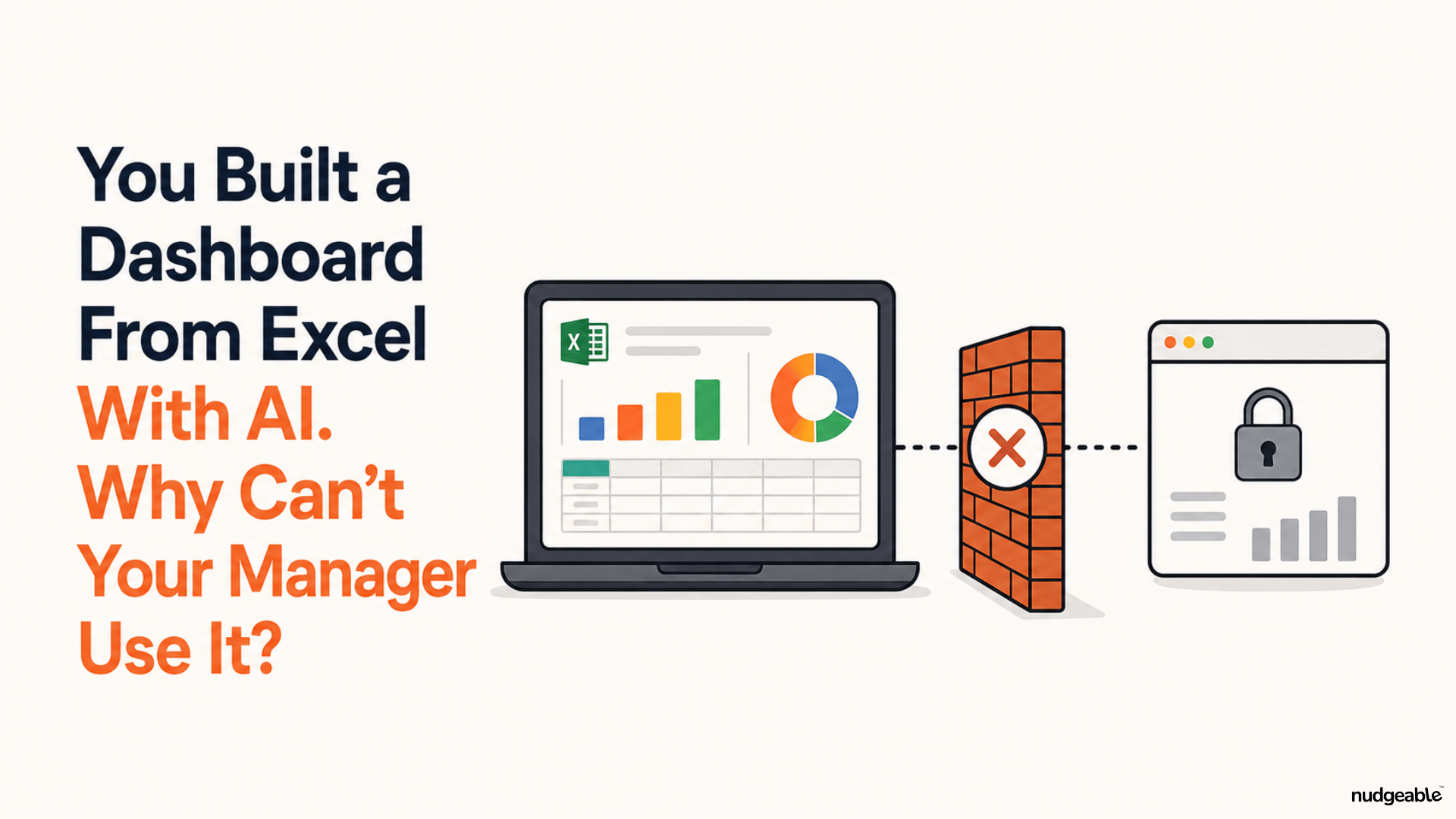
You Built a Dashboard From Excel With AI. Why Can’t Your Manager Use It?
AI can turn an Excel file into an impressive dashboard, but the result often depends on copied data, a private laptop file or a local server. Your manager needs access to both the dashboard and its data. This article explains exactly why sharing fails and how to fix it.
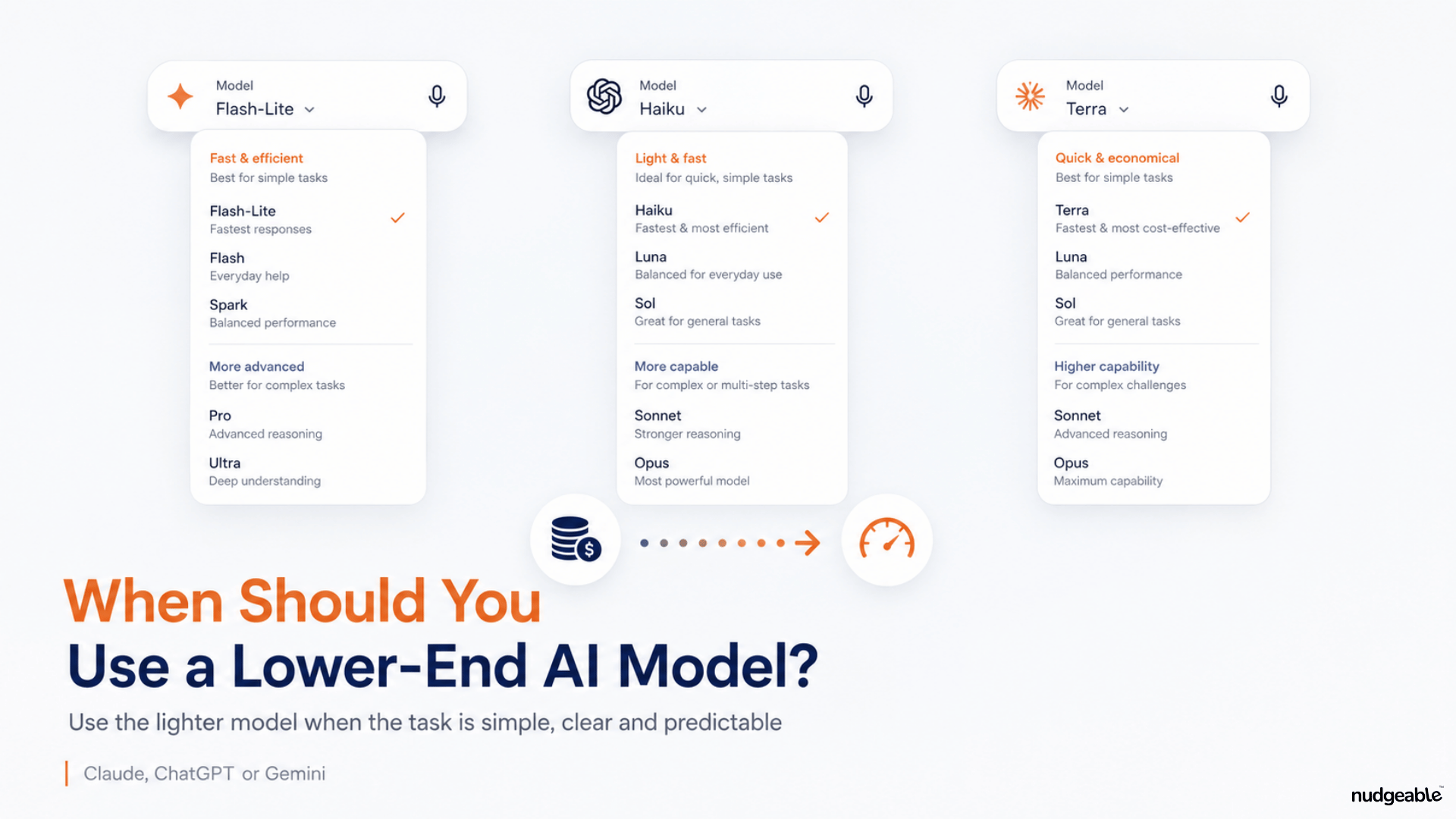
When Should You Use a Lower-End AI Model?
When I am working with a fixed-price plan, I rarely think about how many tokens I am using. I pay $20 a month, and my bill does not immediately change based on how many queries I run. For employees using AI at work, the company is paying for the usage. Employees are not paying for every individual query, so they have little reason to think about token consumption.
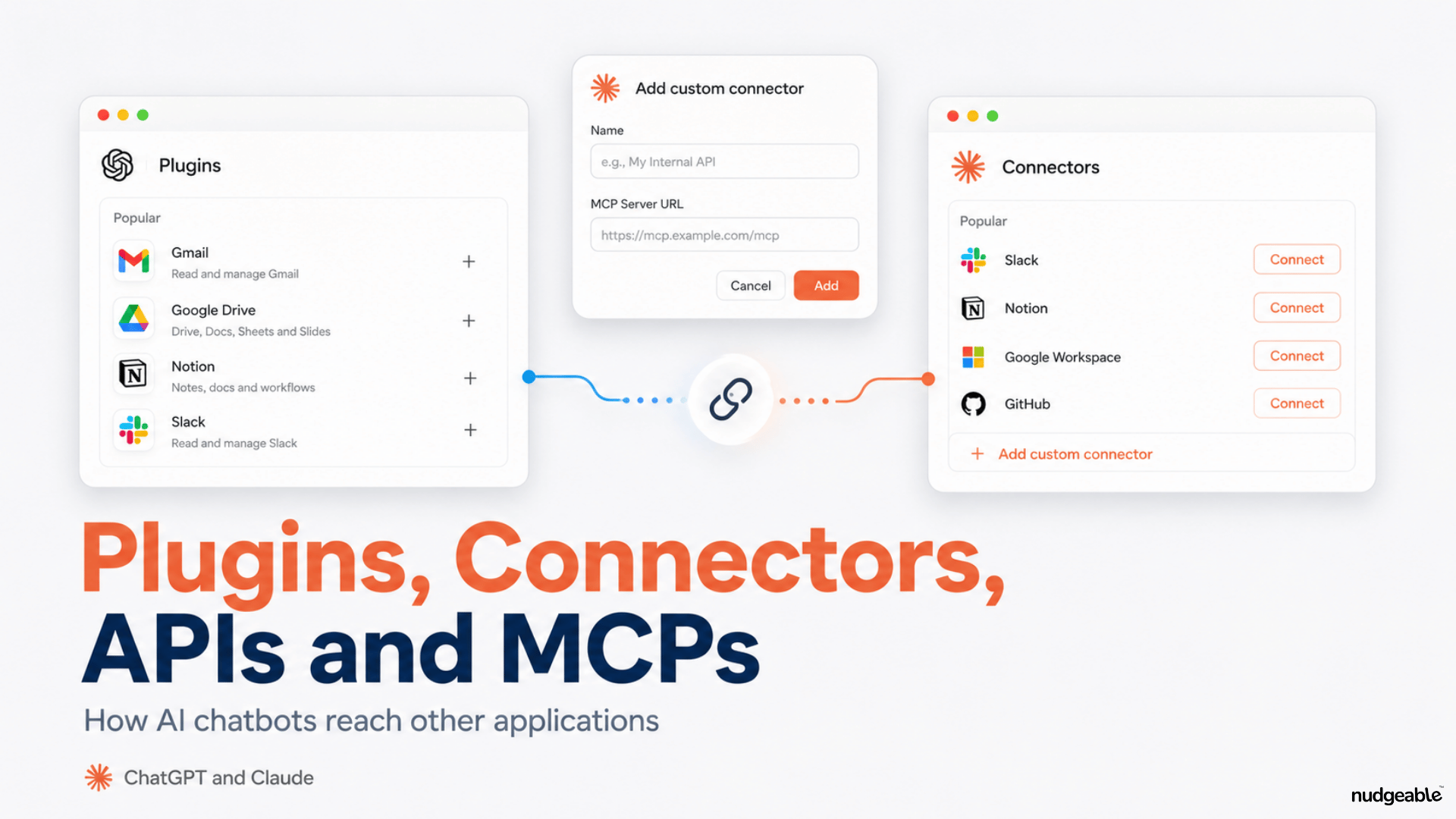
APIs, MCPs, Connectors and Plugins Explained
AI chatbots can only work with other applications when they have the right connection and permission. This article explains APIs, MCPs, Connectors and Plugins in simple terms, with a short note on Extensions and Add-ins.
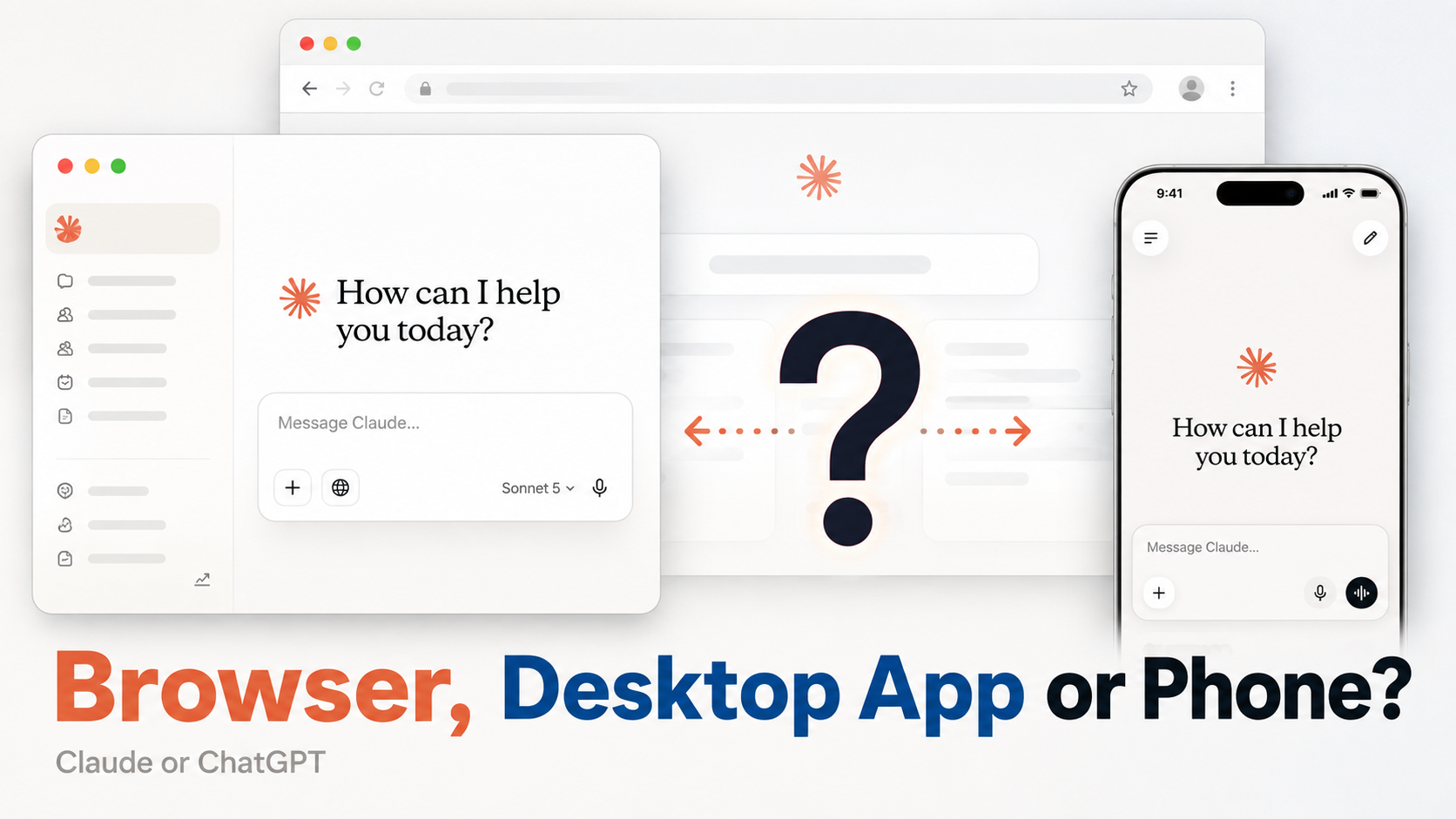
Where Should You Run Claude or ChatGPT: Browser, Desktop App or Phone?
In the browser, AI works with what you give it or what it can reach online. In the desktop app, you can also give AI permission to work with things sitting on your laptop. The phone becomes useful when you are away from your desk.
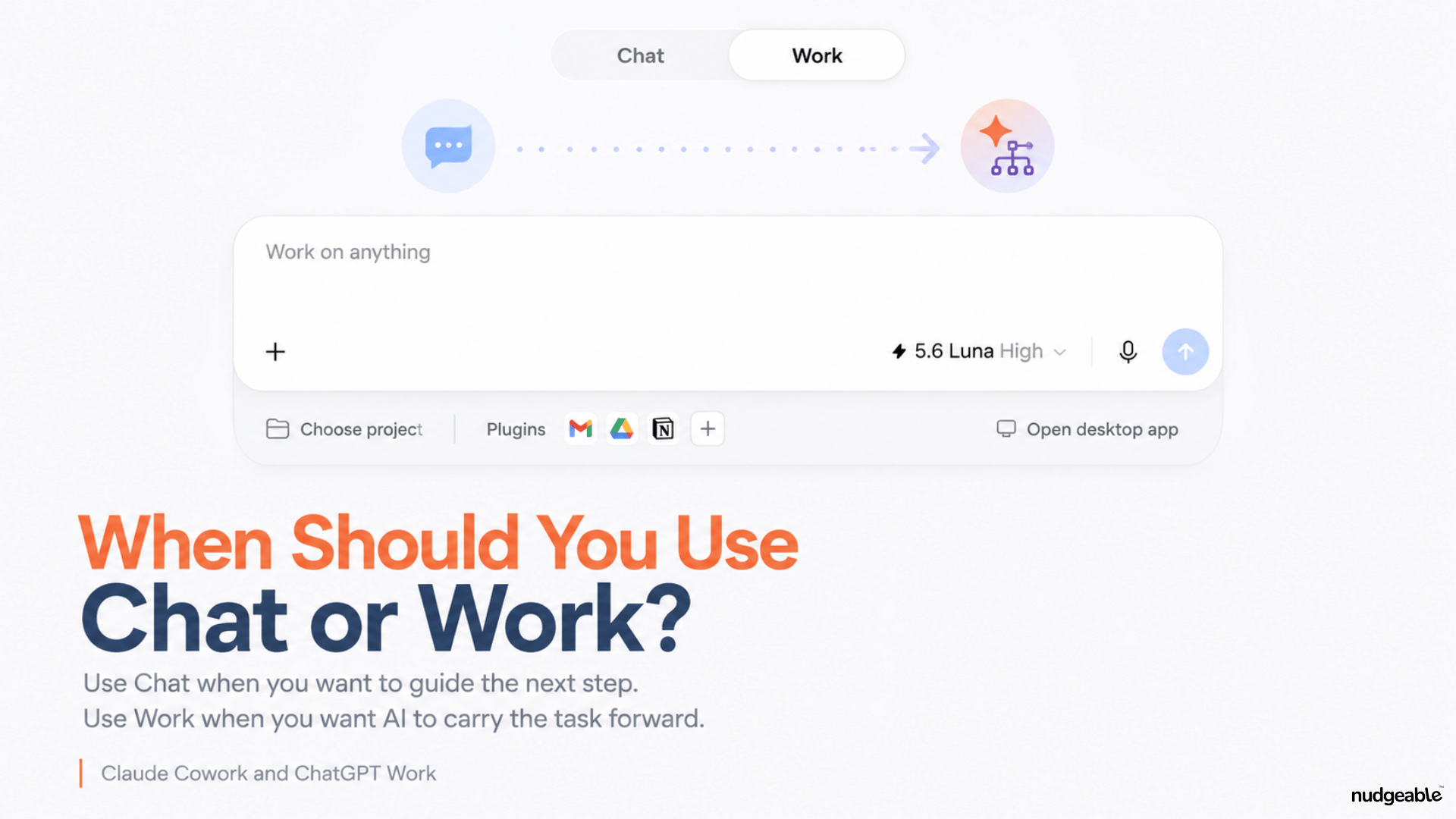
When Should You Use Chat or Work?
When Should You Use Chat or Work? Claude Cowork and the recently launched ChatGPT Work have created a new kind of confusion. When Claude Cowork was available only through the Cl…
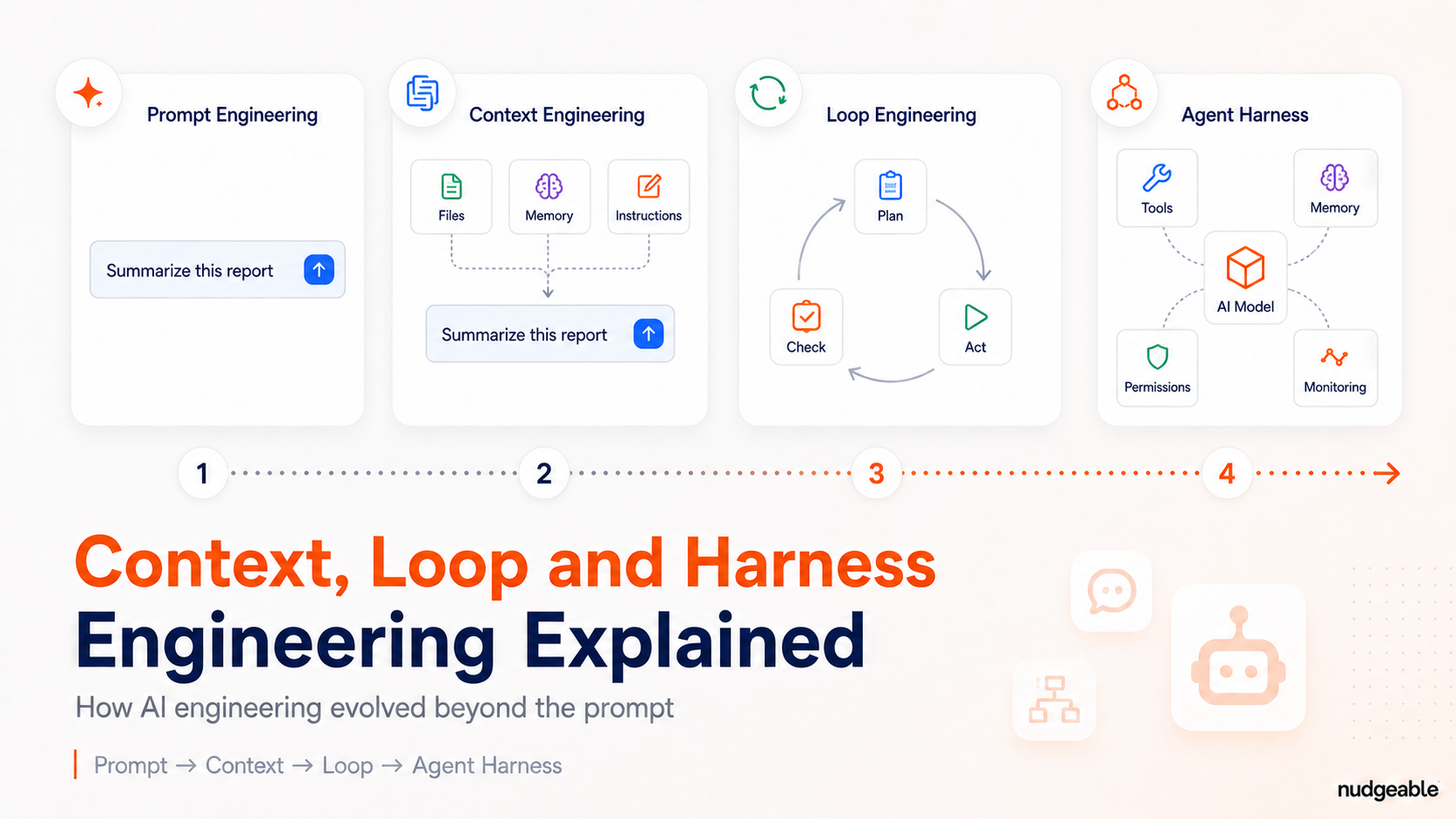
Prompt, Context, Loop and Harness Engineering Explained
Prompt, context, loop and harness engineering describe four connected parts of working with AI. A prompt gives the instruction, context supplies the information, a loop helps AI continue and adjust, and the harness controls the environment in which an agent works.
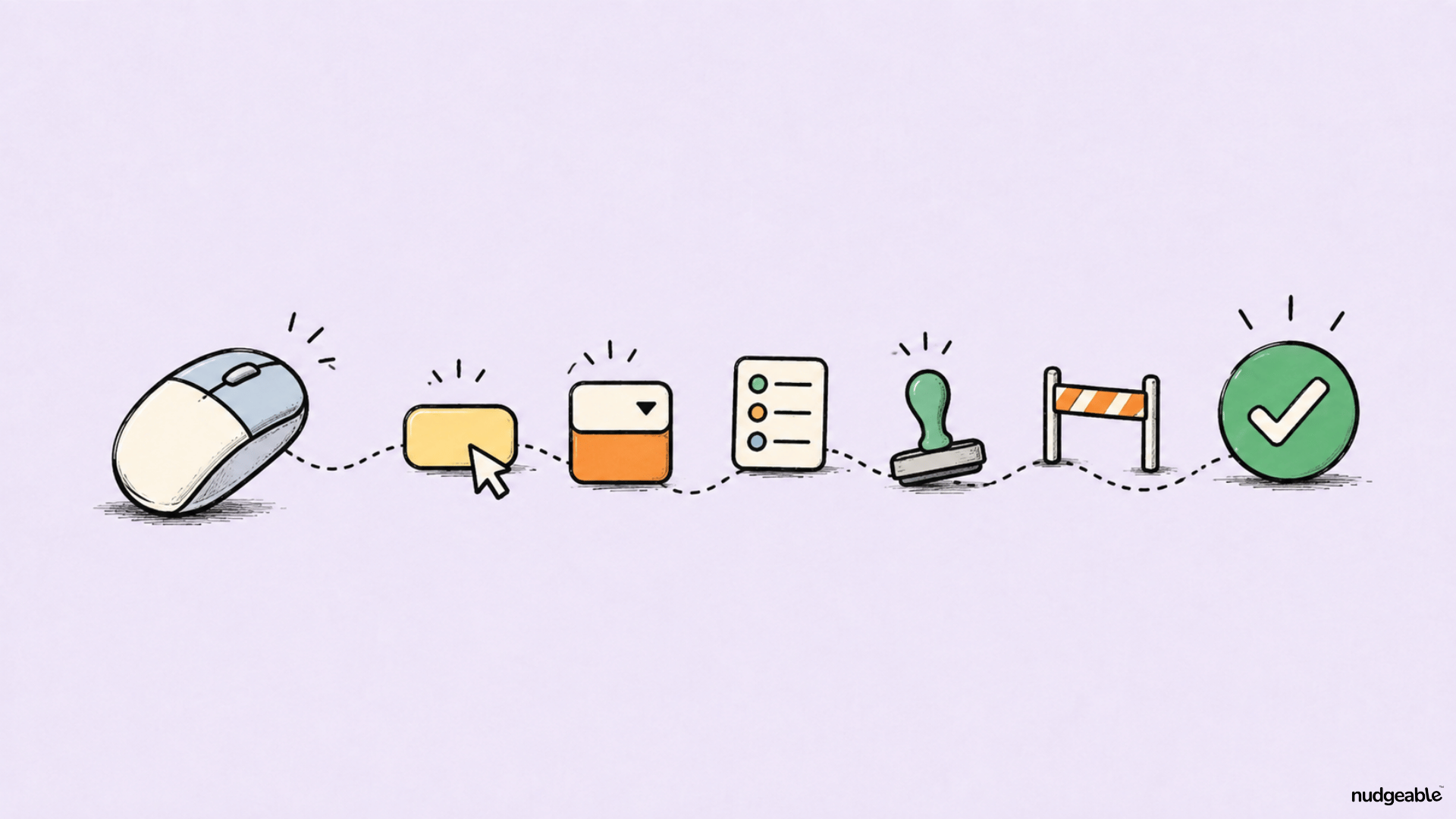
Before Blaming Employees, Count the Clicks
Low completion is often blamed on employee motivation when the process itself is difficult, vague or easy to postpone. This blog explains how behavioral friction affects workplace action and how organizations can make desired behaviors easier.
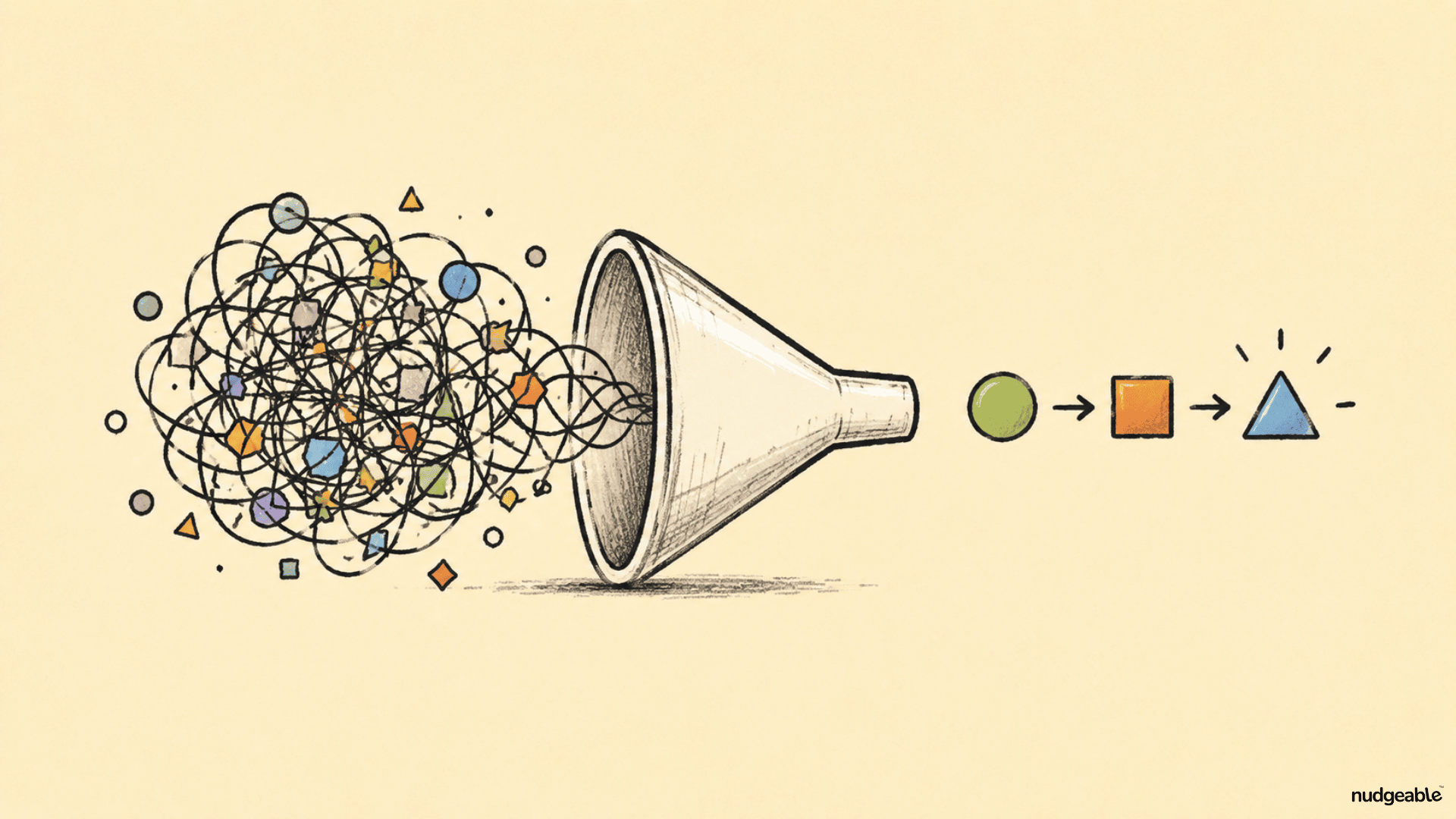
The Curse of Knowledge: Why Experts Are Hard to Understand
The more we know about a subject, the harder it can become to explain it to someone encountering it for the first time. This blog explores the curse of knowledge and practical ways to communicate complex ideas more clearly at work.
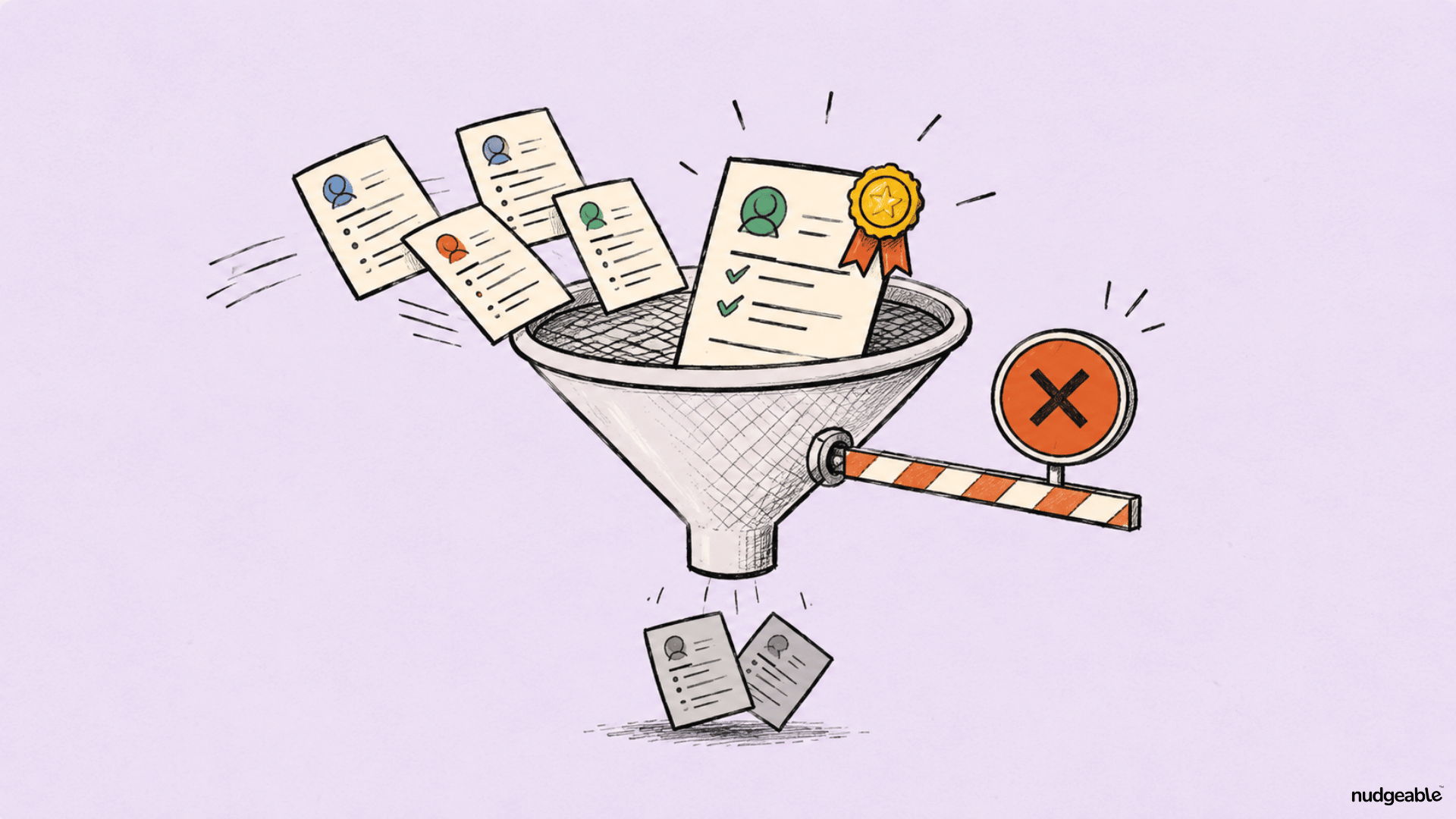
Why Good Candidates Get Rejected in Interviews
Interviewers can mistake familiarity and personal comfort for evidence of candidate quality. This blog explains how similarity bias, first impressions and existing beliefs affect hiring decisions, along with practical ways to make interviews fairer.
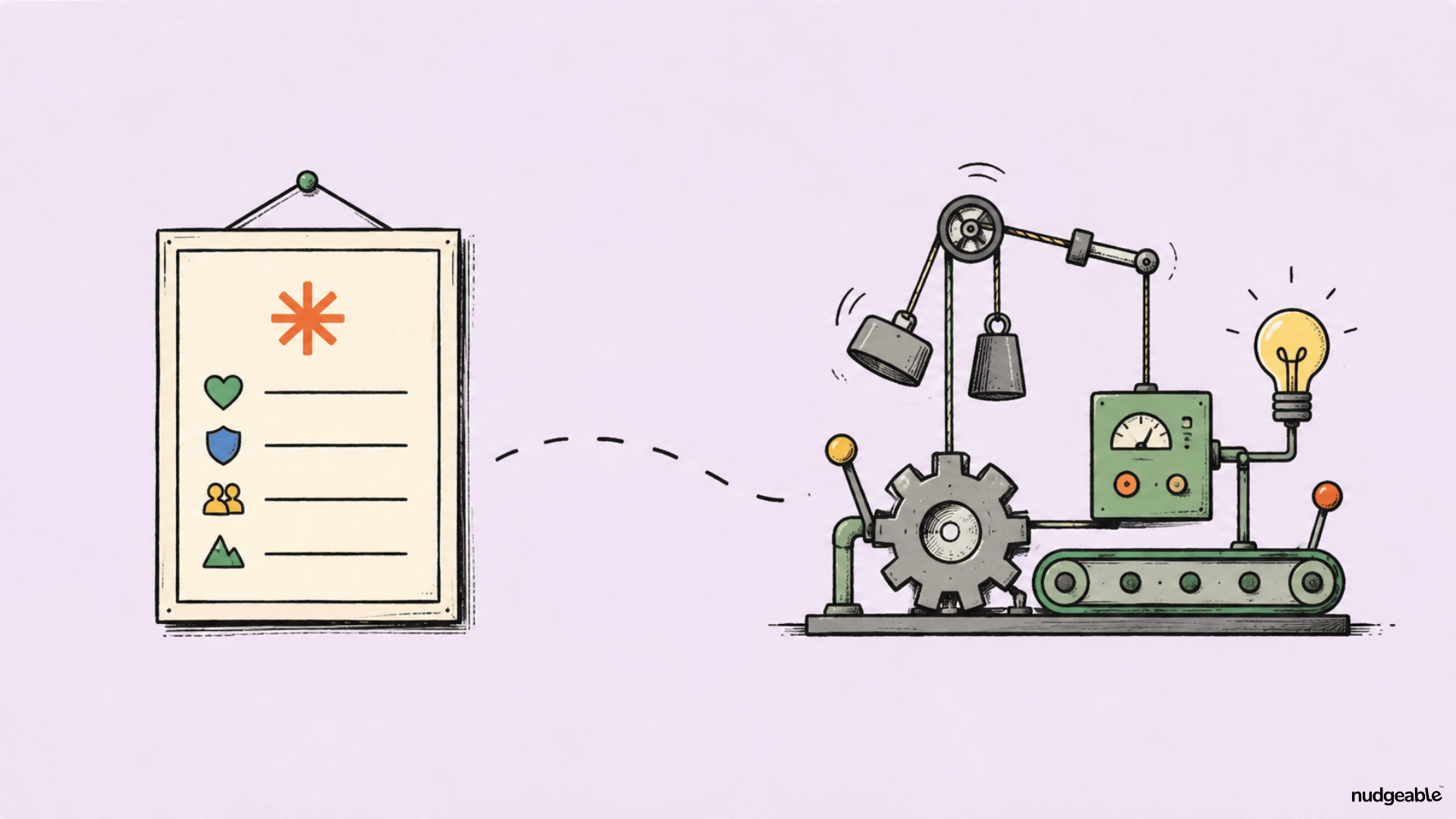
Why Company Values Rarely Change Workplace Culture
Company values can sound inspiring while leaving employees unsure about what to do differently. This blog explains how organizations can translate abstract values into visible behaviors, aligned systems and everyday leadership actions.
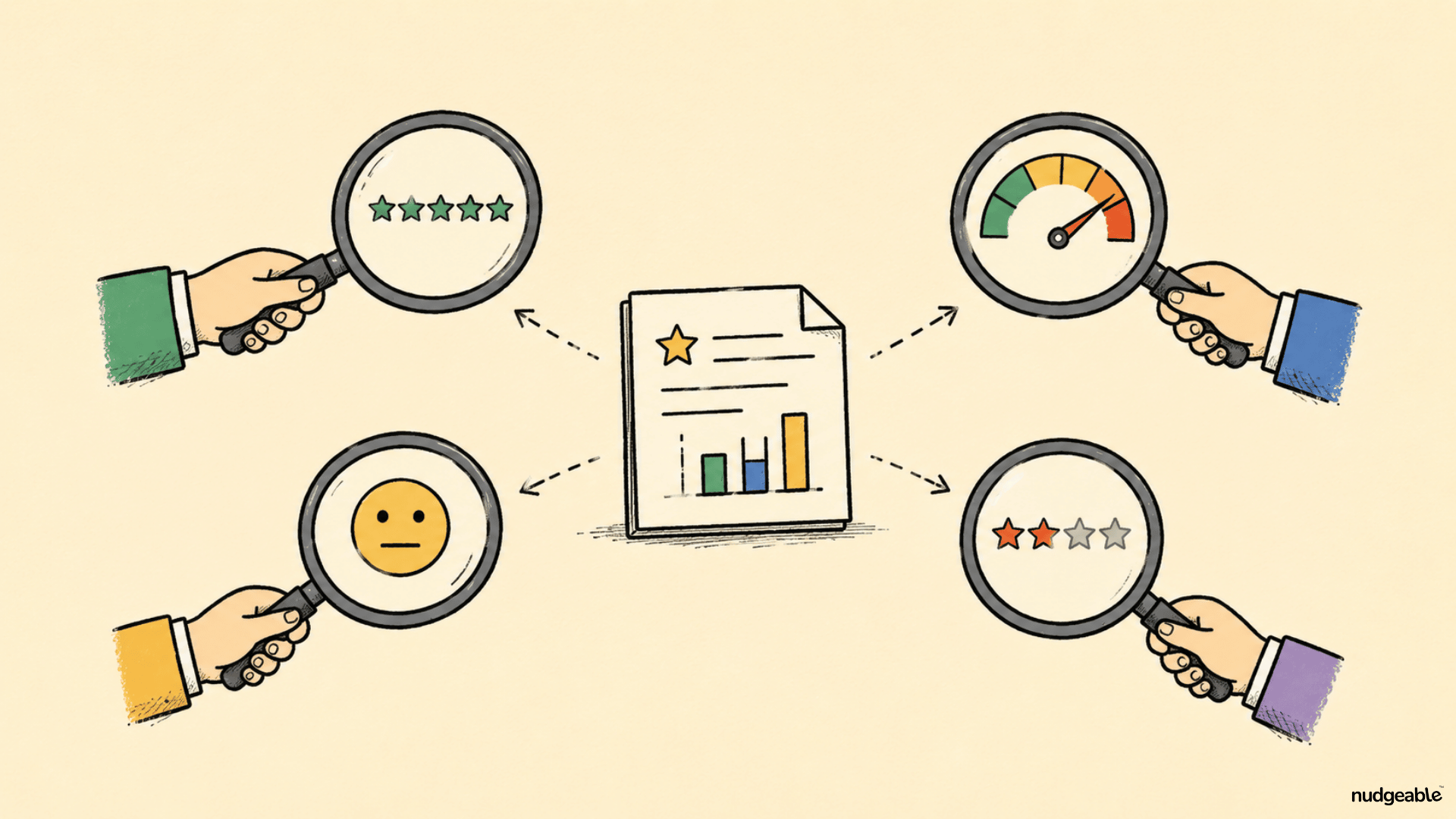
Why Performance Ratings Say More About the Manager
Employee performance ratings often appear objective, but they are heavily influenced by each manager’s personal standards and beliefs. This blog explains performance rating bias and how organizations can make reviews fairer and more useful.
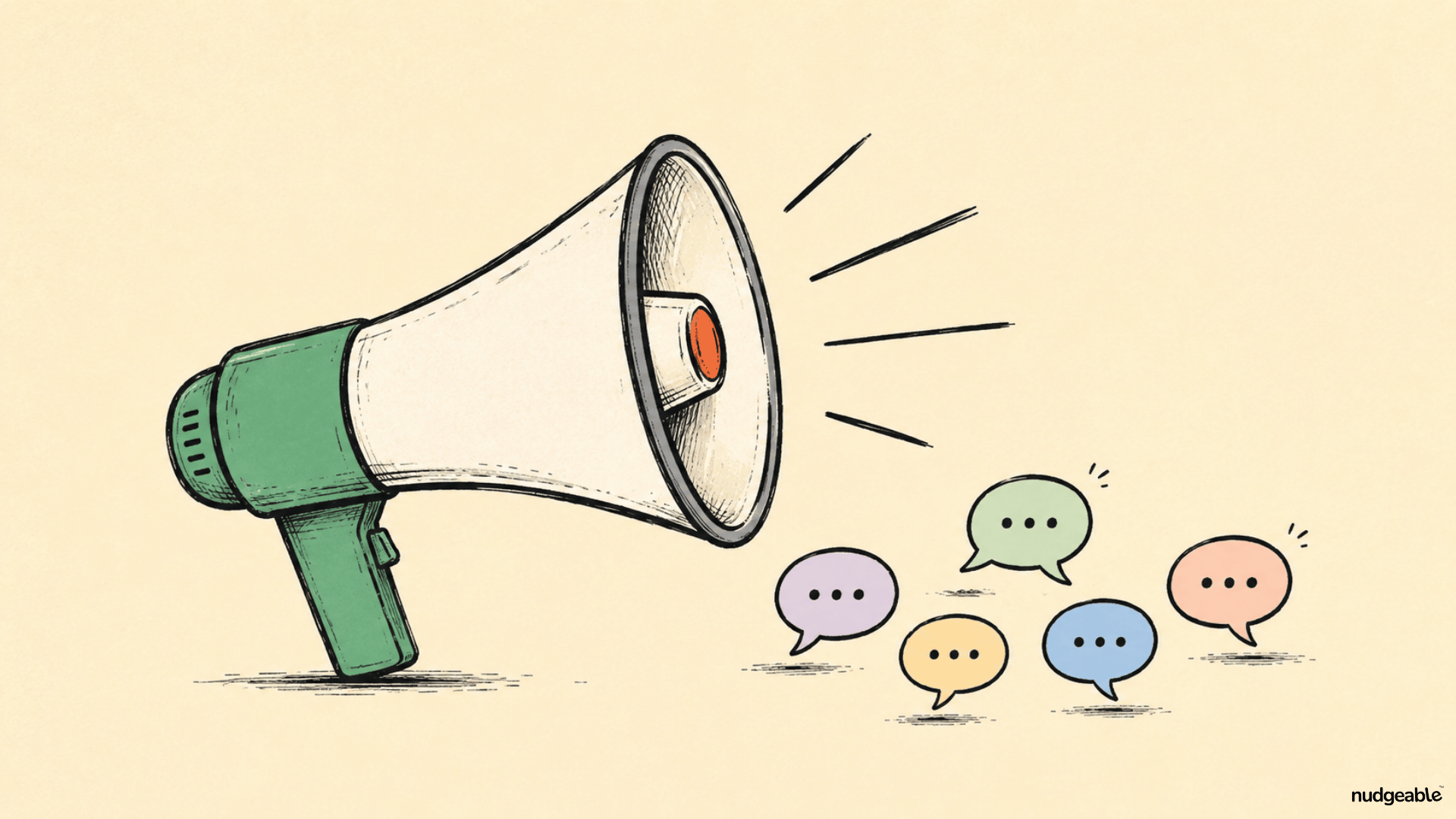
Why the Loudest Voice Wins in Team Meetings
Silence in a meeting can easily be mistaken for agreement. This blog explores how hierarchy, conformity and the spiral of silence influence team decision-making, along with practical ways leaders can hear more useful opinions.
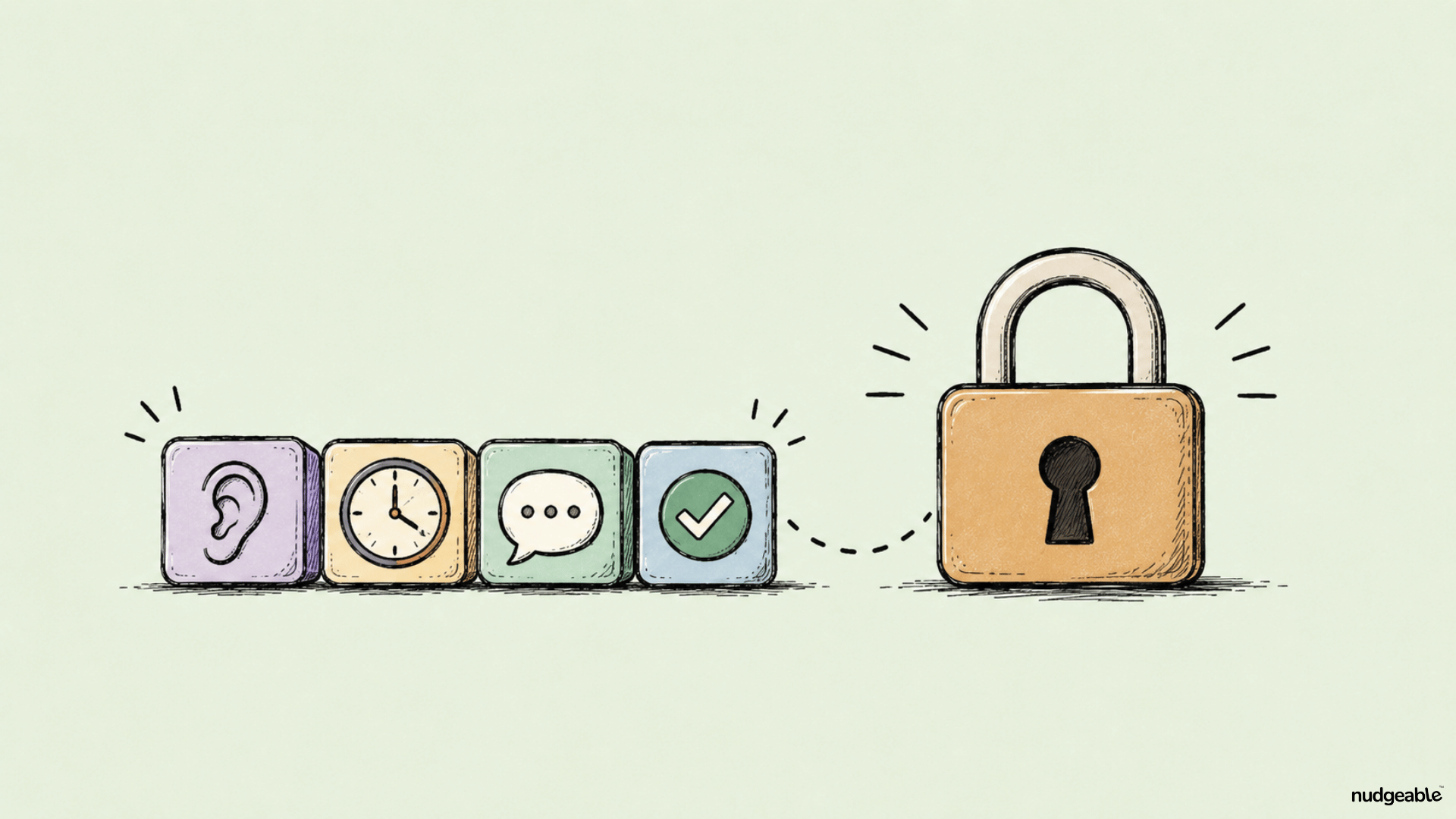
How to Build Trust at Work: The Behaviors That Matter
Trust at work is built through repeated signals of care, competence and consistency. This blog explains the behavioral science behind workplace trust and the small actions leaders and teams can use to strengthen it.
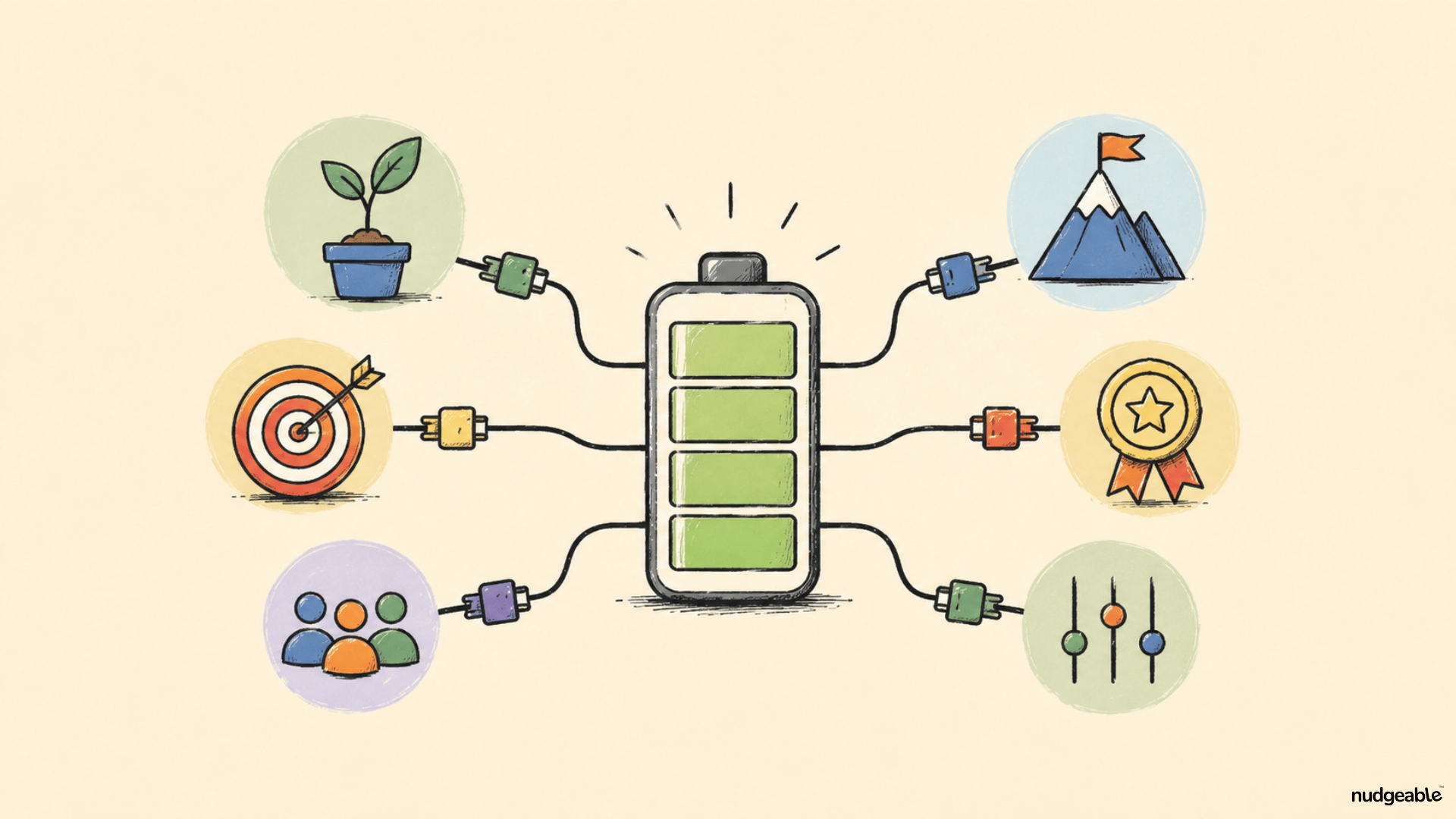
What Really Motivates Employees? Beyond Money and Incentives
Money matters at work, but employee motivation is shaped by much more than salary and bonuses. This blog explains how autonomy, intrinsic motivation, recognition and the design of incentives influence workplace behavior.
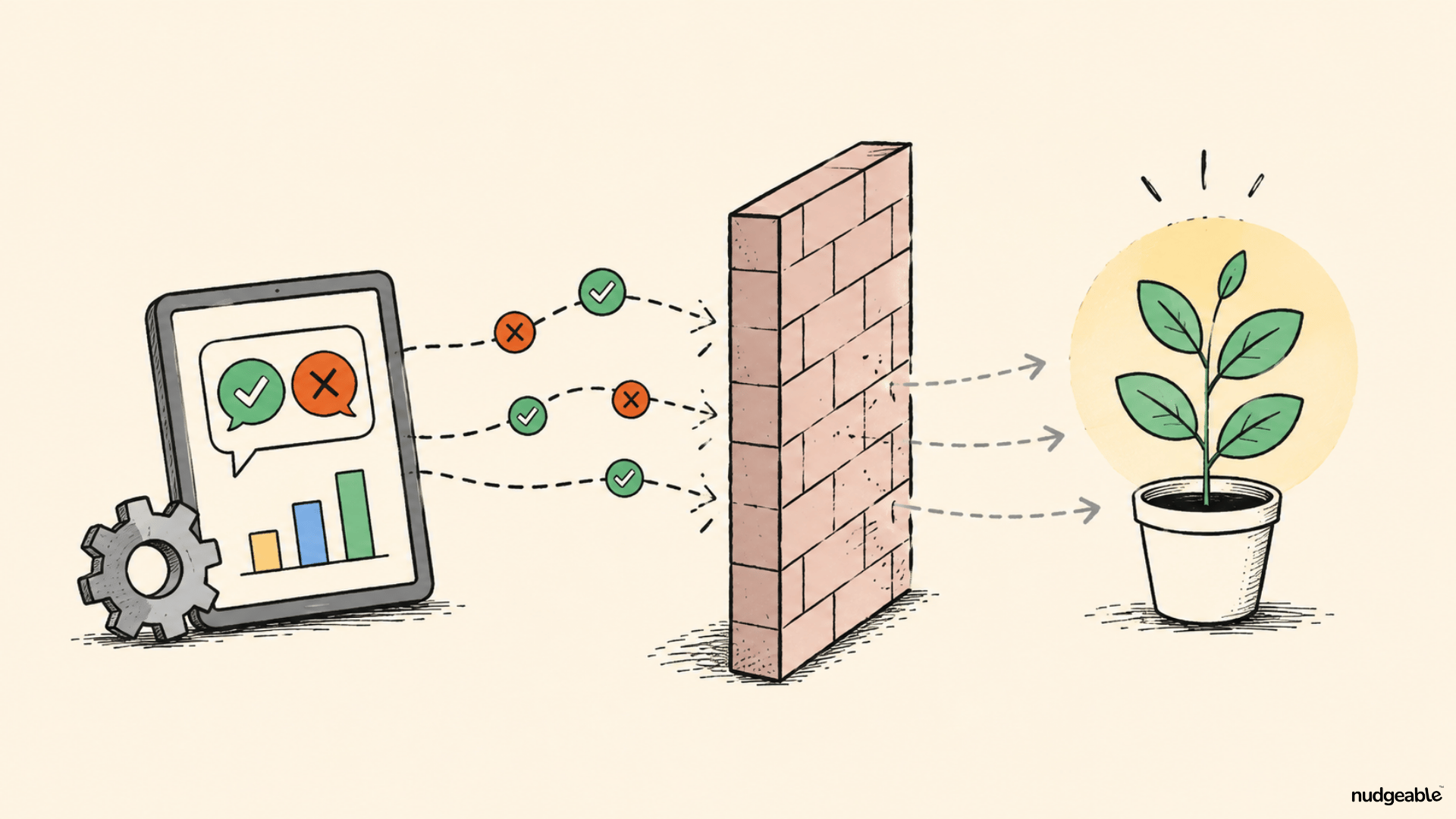
Why a Feedback App Cannot Create a Feedback Culture
Many organizations introduce new tools and frameworks hoping employees will start giving more candid feedback. This blog examines the deeper barriers involving trust, self-image and workplace norms, along with practical ways to build a healthier feedback culture.
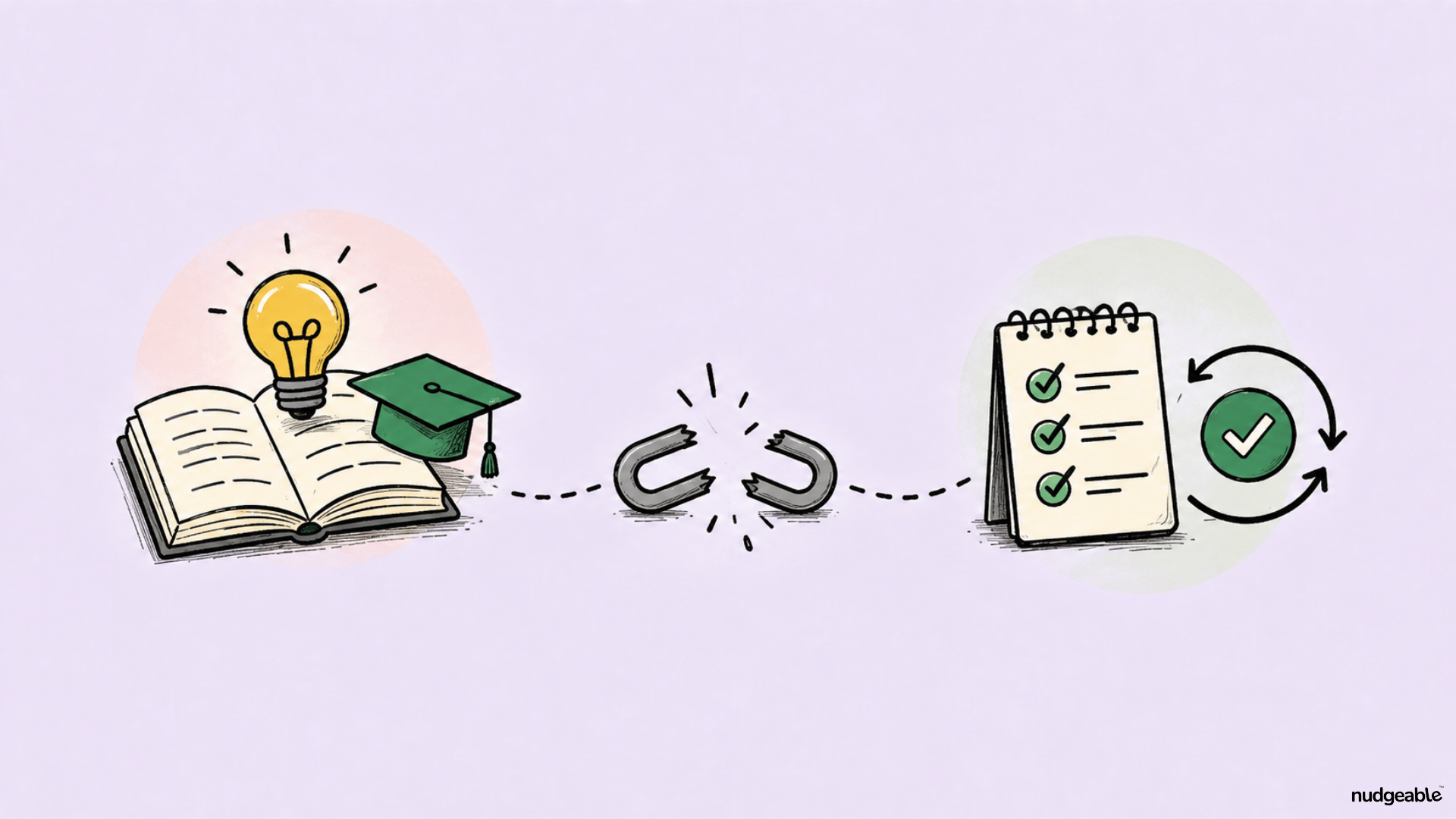
Why Corporate Training Rarely Changes Employee Behavior
Employees can leave training knowing exactly what to do and still return to their old habits. This blog explores the knowing-doing gap and how practice, feedback and post-training support turn learning into everyday workplace behavior.
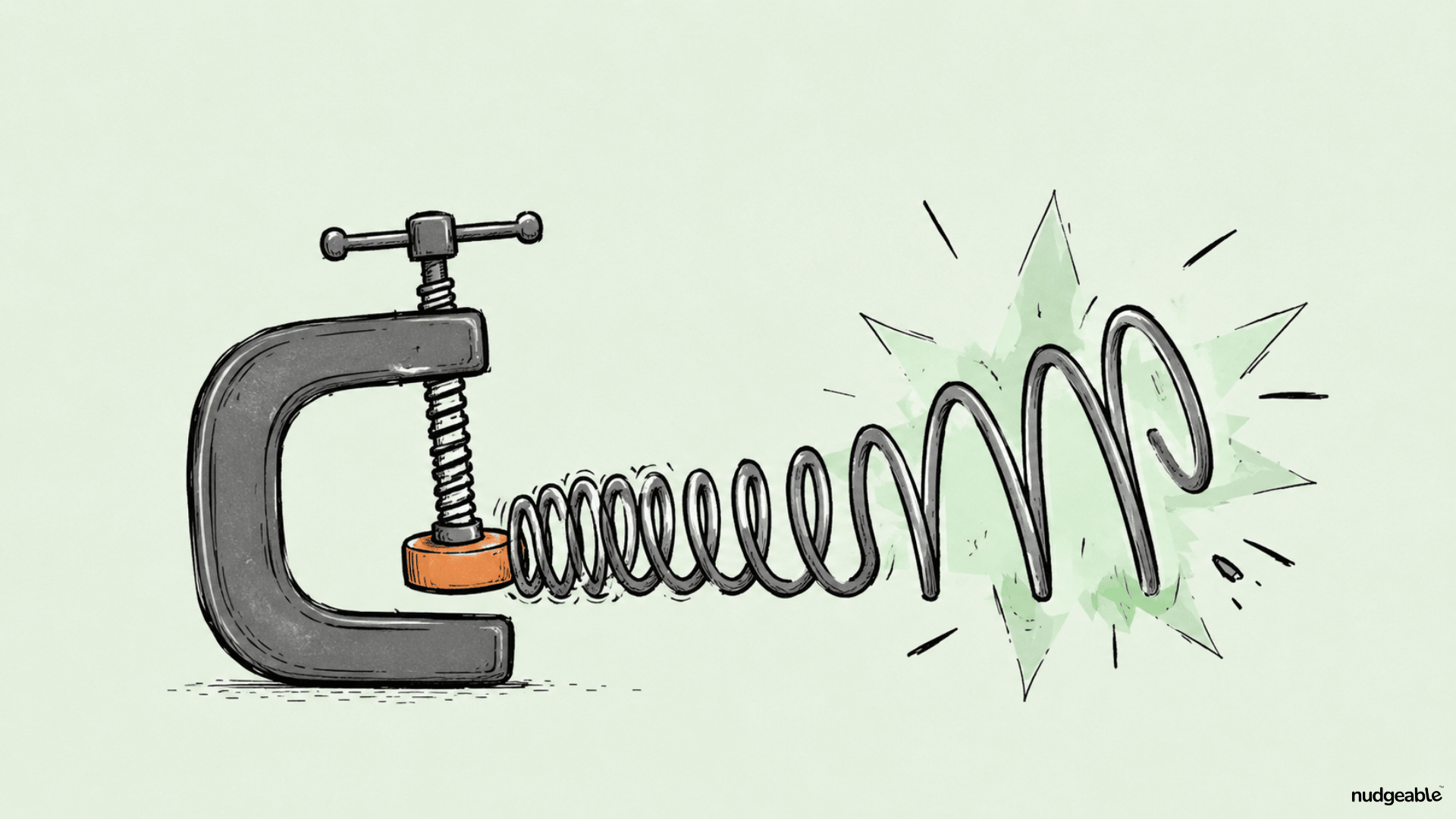
Psychological Reactance at Work: Why Employees Resist Control
Employees may resist a reasonable request when it feels like their freedom is being removed. This blog explains psychological reactance at work and how managers can preserve meaningful choice while maintaining clear expectations.
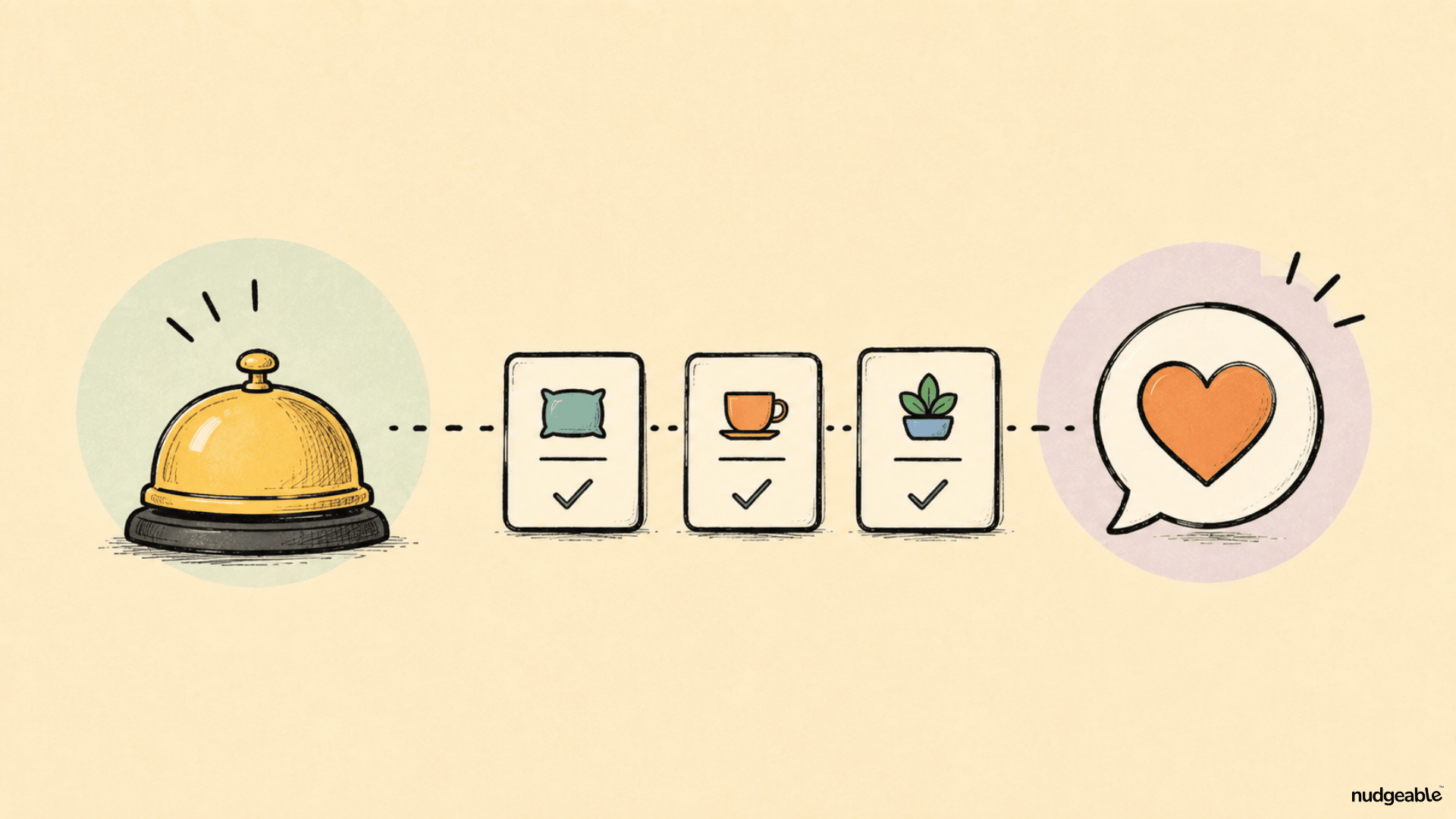
How Ritz-Carlton Turns Customer-Centricity Into Everyday Actions
Ritz-Carlton’s service culture works because employees are not left with an abstract instruction to “be customer-centric." They are given simple behavioral expectations.
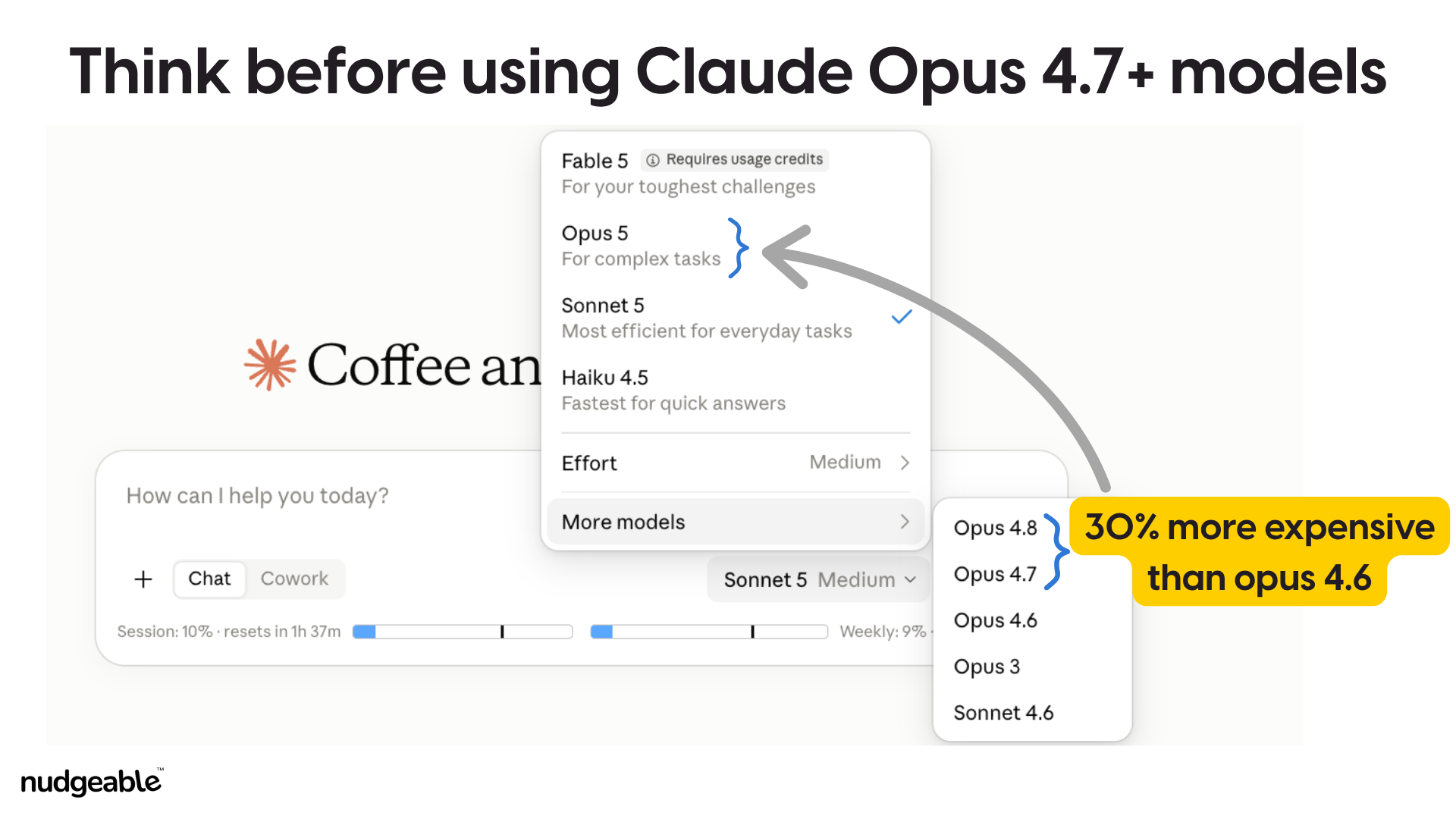
Claude’s Price Didn’t Change. But Your API Bill Might.
The price per million tokens for several Claude models has stayed exactly the same. But the same amount of text can now use roughly 30% more tokens.
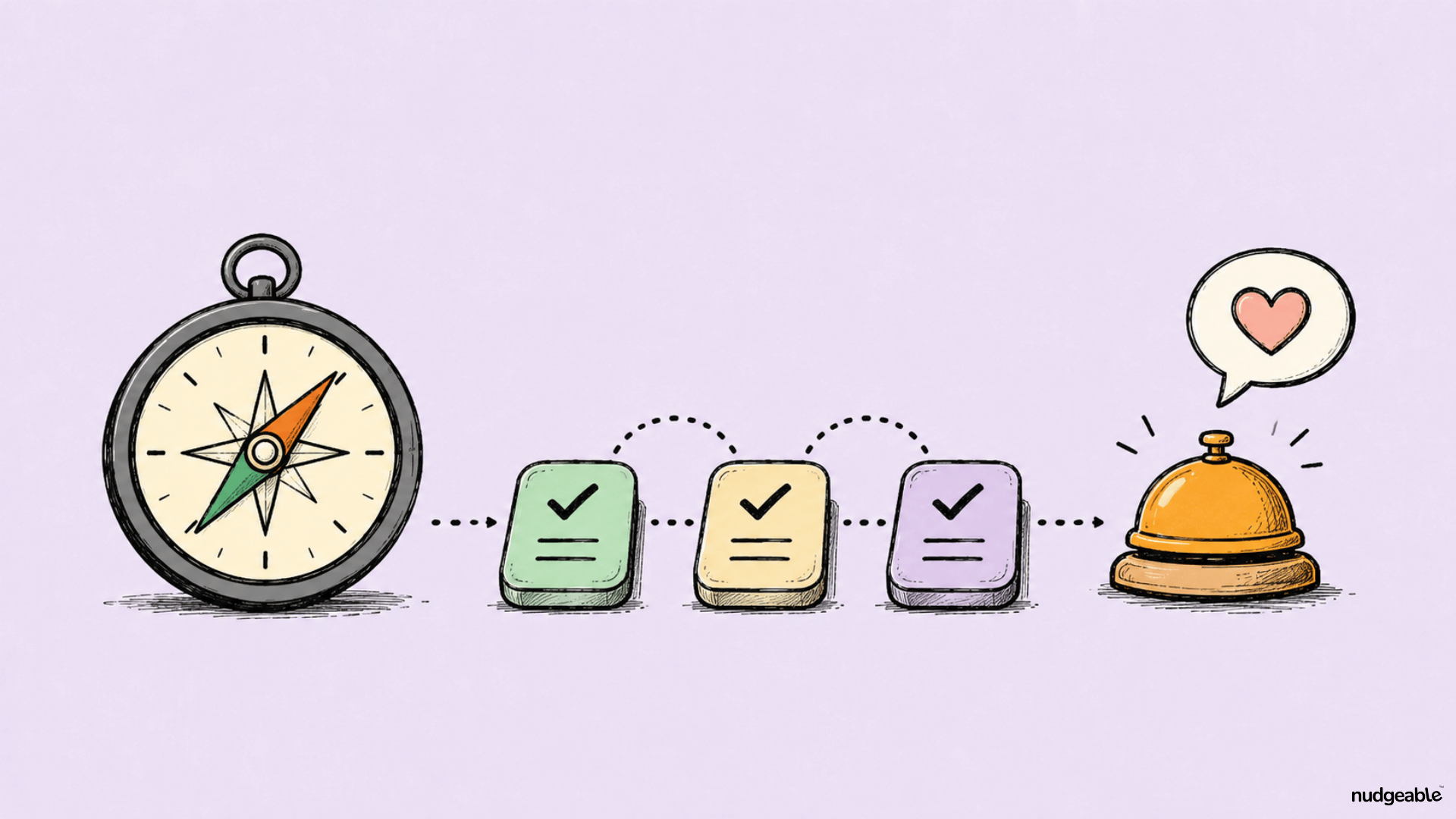
A Manager’s Framework for Customer-Centricity
Think about customer centricity from behavioral science perspective
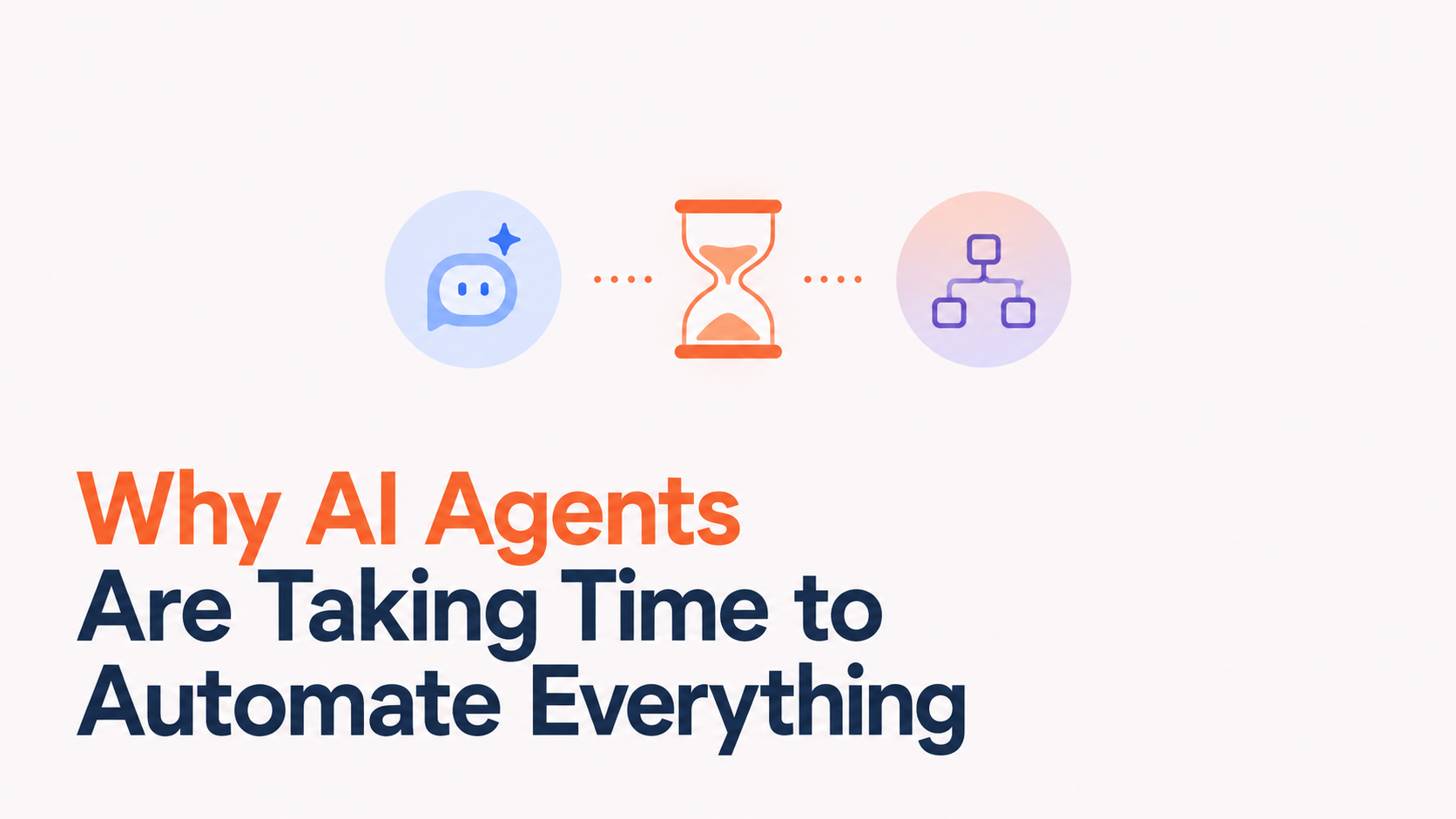
Why AI Agents Are Taking Time to Automate Everything
The reason for delay in AI adoption at work and which work will get automated first by AI Agents?

Training Doesn't Fail. Follow-Through Does
After a two-day workshop on psychological safety, Jon was energized and inspired. Three months later, his team's behavior hadn't changed at all. Sound familiar?
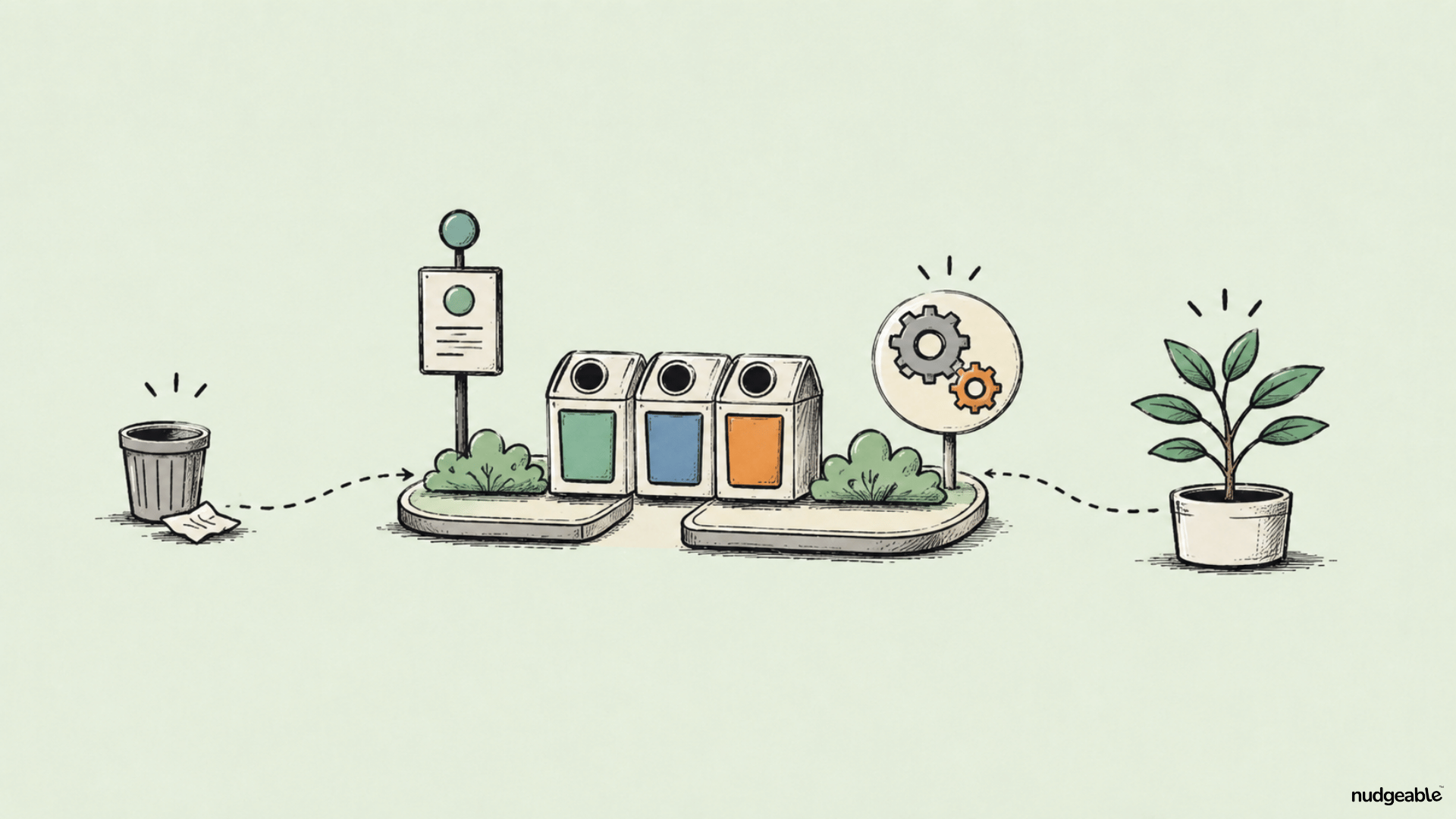
Stop Blaming Your People: What Can Workplace Culture Learn from India's Cleanest City?
Here are 5 key lessons any organization trying to drive cultural change at scale can learn from Indore.

The Real Reason Teams Struggle to Collaborate
Organizations try to solve trust through team-building activities and workshops. But these fundamentally misunderstand what trust actually is and how it forms.
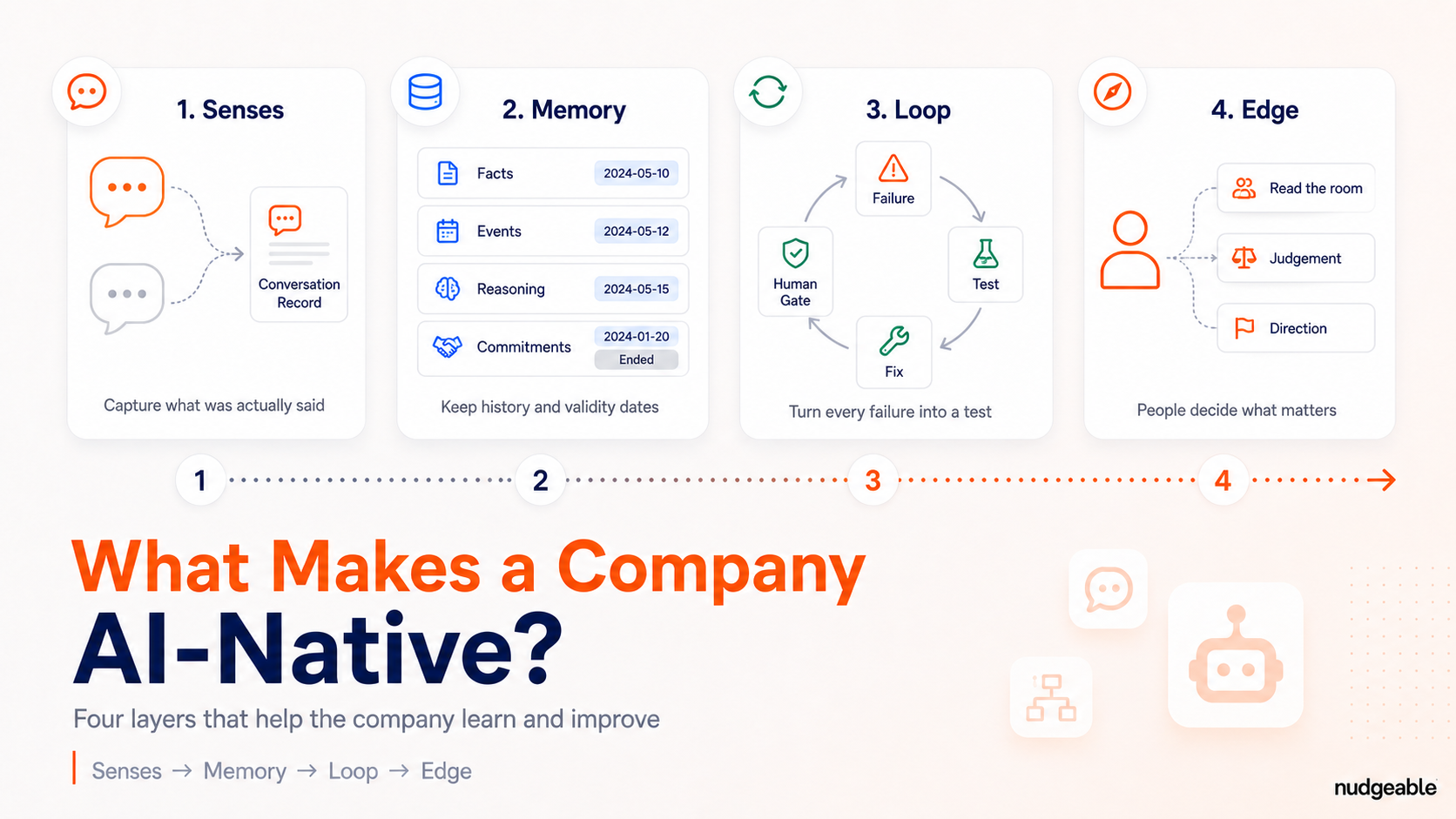
What Makes a Company AI-Native?
An AI-native company needs four layers: senses, memory, a learning loop and a clear human edge. It captures what happened, remembers why decisions were made, learns from mistakes and directs people towards the work that still requires human judgement.
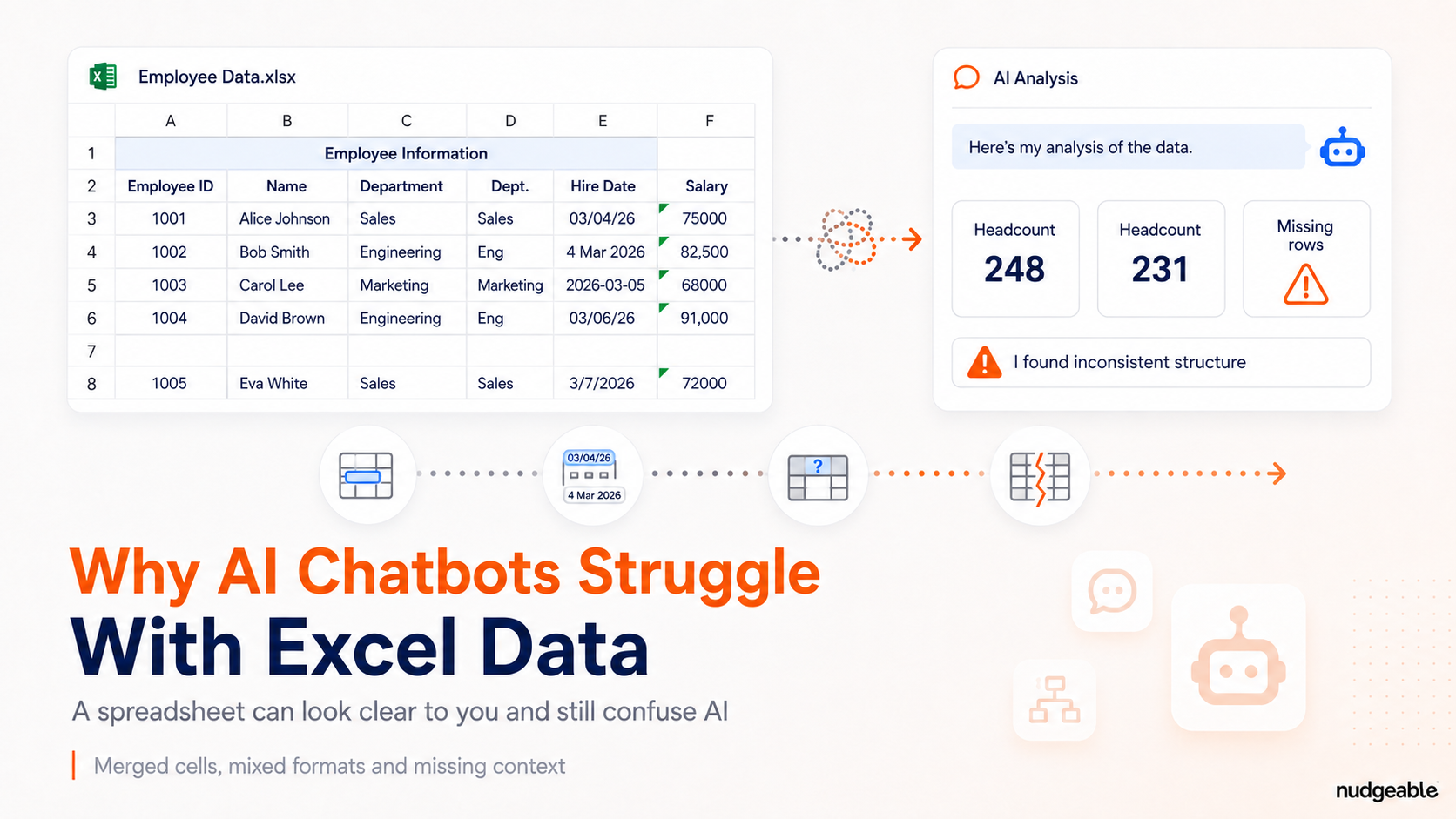
Why Does AI Struggle With Excel Data?
AI can often summarise a long report more reliably than it can analyse a smaller Excel workbook. The problem usually begins before the calculation. AI must first work out what each cell represents, how the tables connect and which business rules apply.