AI for Work
Plain guides to the ideas behind AI at work, written for people who use these tools rather than build them. No jargon, no hype, and no assumption that you already know what any of it means. Each one takes about ten minutes.
Start anywhere. Each guide stands on its own, and the first four are the ones most people need before anything else makes sense.
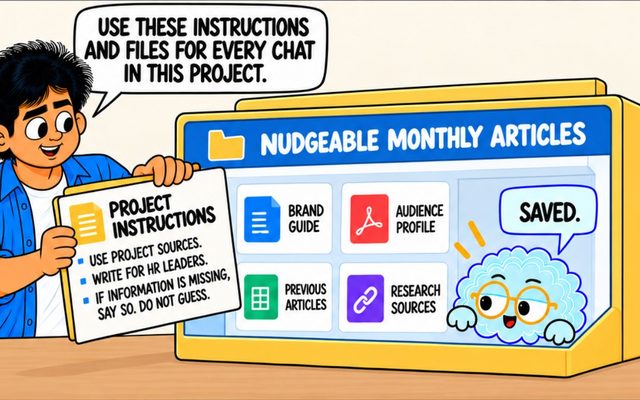
What is an AI project?
A folder that holds your files and your standing instructions, so every chat inside it already knows the background. Set it up once and work from it all year.
Read the guide →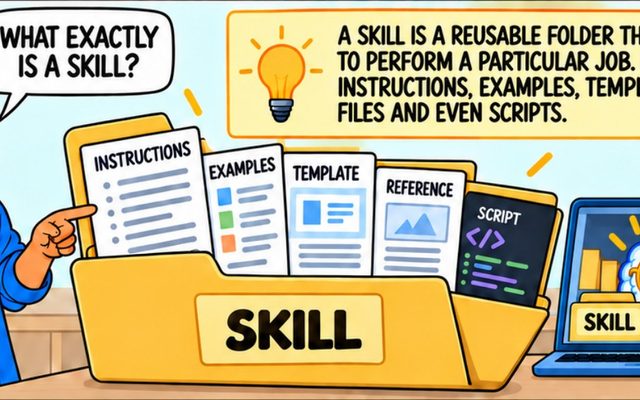
What is an AI skill?
A small folder holding the method for one job, along with the examples and templates it needs. Write it once, then call it by name instead of retyping the brief.
Read the guide →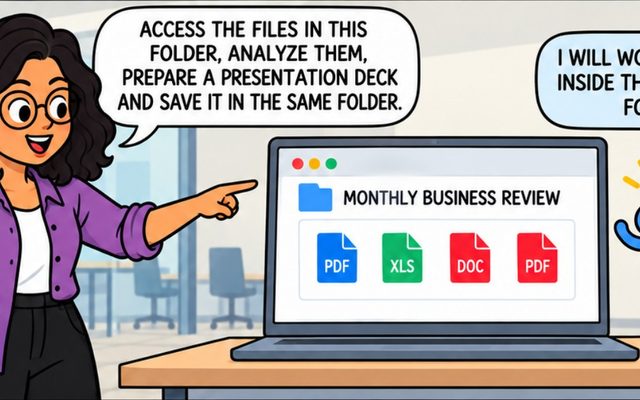
What is a work agent?
It takes the whole task rather than one question. Point it at a folder, describe the outcome, and come back to finished work instead of managing every step.
Read the guide →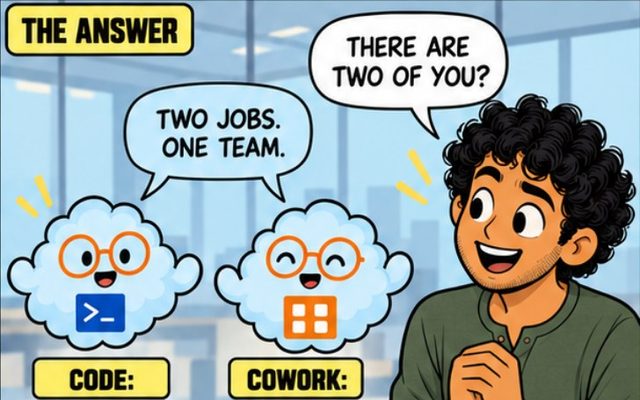
What is a coding agent?
Two assistants with almost the same name and almost nothing in common. Which one you open decides how good the answer is, and most people open the wrong one.
Read the guide →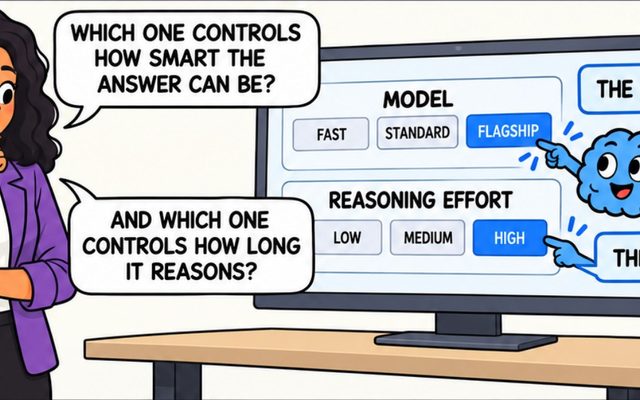
Models and thinking effort
Two dials, and most people only ever touch one. Which model sets how good an answer can be, and how long it reasons is a separate setting with its own cost.
Read the guide →
What is vibe coding?
You describe a tool in plain English and the AI builds it. Excellent for proving an idea in ten minutes, and worth knowing exactly where it stops.
Read the guide →The next set moves from understanding the tools to running them across an organisation.
Build an AI native company
What actually changes when AI stops being a tool people try and becomes how the work is done. Processes, decision rights, hiring and the habits that have to go first.
Coming soonKeep pace with AI development
How to stay current without reading everything. What genuinely matters, what is noise, and a routine that takes twenty minutes a week rather than your evenings.
Coming soonMeasure AI skills in your people
Counting who attended a session tells you nothing. What a real capability level looks like, how to assess it honestly, and what to do with the answer.
Coming soonMeasure return on AI investment
Hours saved is the number everyone reports and the one nobody believes. What is worth measuring instead, and how to show it to a finance team without inventing anything.
Coming soon