Why Good Candidates Get Rejected in Interviews
Interviewers can mistake familiarity and personal comfort for evidence of candidate quality. This blog explains how similarity bias, first impressions and existing beliefs affect hiring decisions, along with practical ways to make interviews fairer.
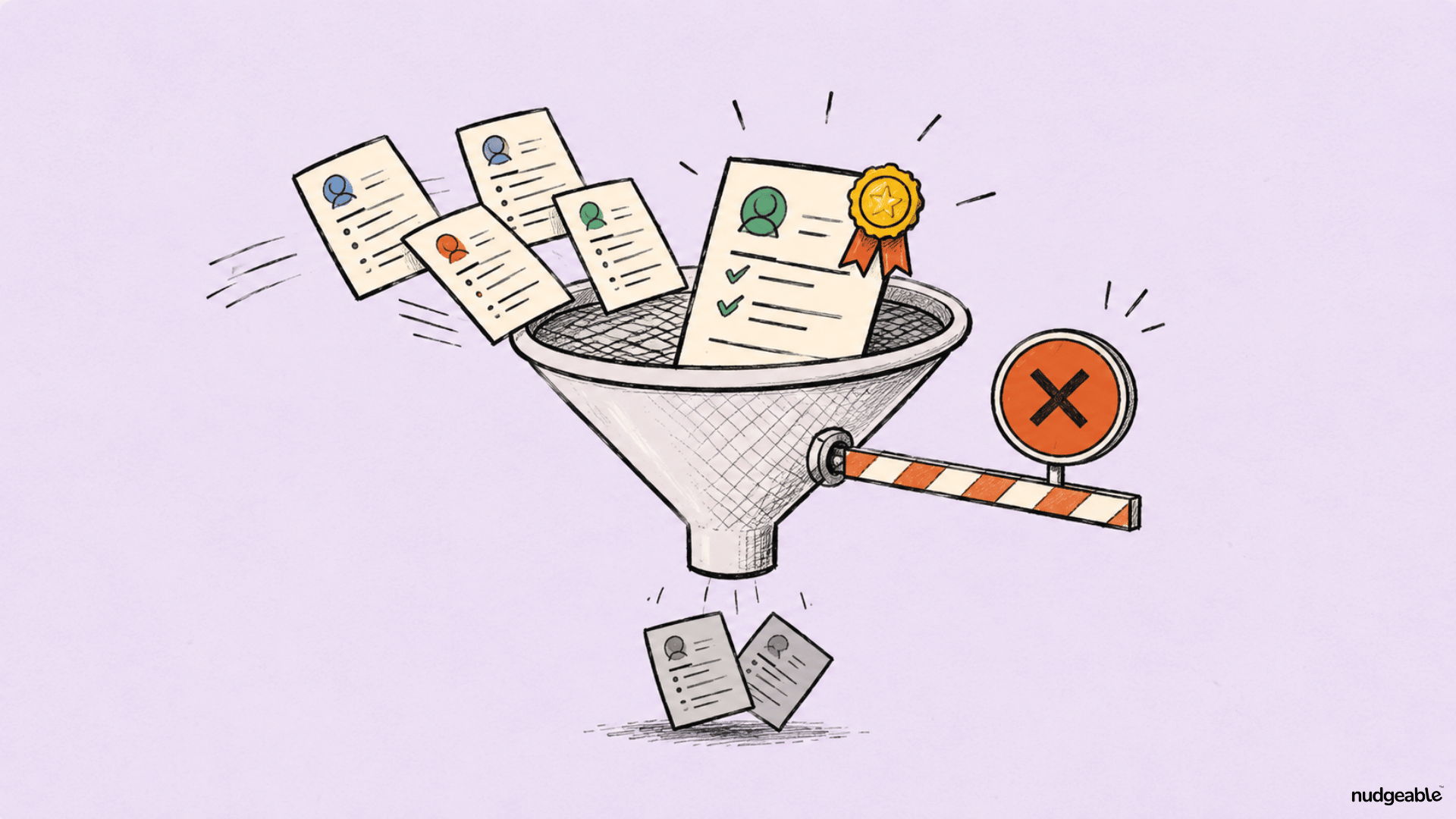
Two candidates reach the final interview.
The first candidate went to the same college as the hiring manager, grew up in a nearby city and supports the same football team. The conversation flows easily, and the manager leaves thinking, “This person will fit in well.”
The second candidate has relevant experience but communicates differently. The discussion feels less natural, and the manager is unsure about the candidate’s cultural fit.
The first candidate may genuinely be better. But the comfortable conversation is not reliable evidence of future performance.
Key insight: Interviewers can mistake familiarity for competence and personal comfort for cultural fit.
Similarity makes people easier to like
We generally like people who appear similar to us.
Someone who shares our background, interests or opinions validates our own choices. We also assume that a similar person is more likely to understand and like us.
During an interview, similarity can appear through:
- The same college or previous employer
- A shared city, language or background
- Similar hobbies and interests
- A familiar communication style
- Comparable career choices
- Shared opinions about the industry
None of these qualities necessarily predicts performance in the role. They simply make the interaction feel easier.
Well-intentioned managers can therefore end up hiring smaller versions of themselves while rejecting people who might bring a different and valuable perspective.
Our beliefs shape the evidence we notice
Interviewers enter the conversation with existing beliefs about what success looks like.
One manager may believe that candidates with prestigious MBAs are highly capable. Another may think that people with fancy degrees are less hardworking than someone who progressed through experience.
Both managers interpret the same qualification differently.
Similar beliefs can appear around:
- Frequent job changes
- Career breaks
- Age and seniority
- Previous company brands
- Introversion or confidence
- Remote working preferences
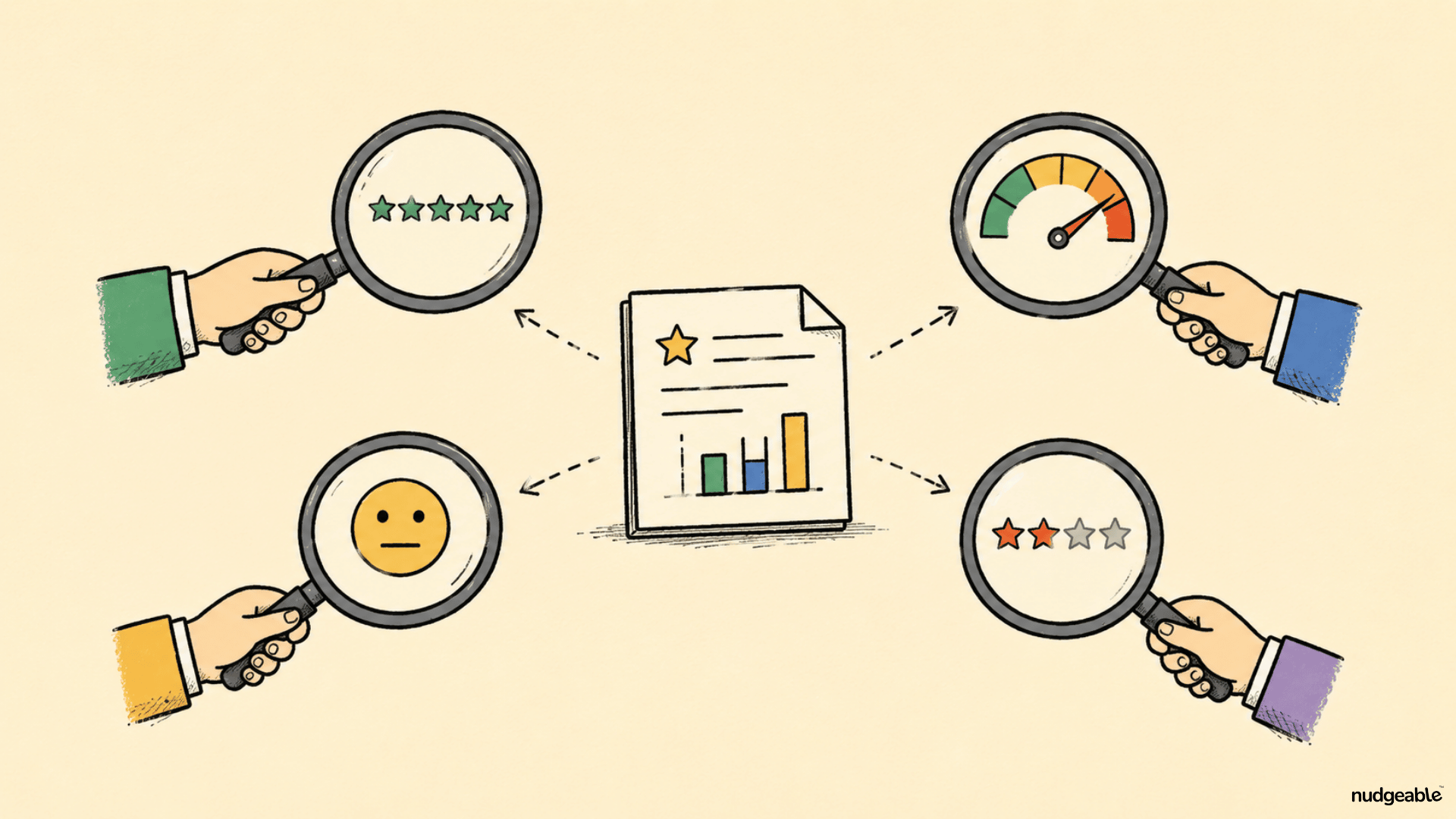
Once an early impression is formed, confirmation bias encourages the interviewer to notice evidence that supports it.
A confident opening answer can create a positive impression that influences later scores. A nervous first response may cause the interviewer to interpret every pause as further evidence that the candidate lacks confidence.
Key insight: An interview can become an exercise in confirming the interviewer’s first impression rather than testing the candidate’s ability.
Generational labels create shortcuts
Hiring managers may also enter interviews with assumptions about an entire generation.
Gen Z candidates may be described as digitally confident, impatient, informal with authority or less committed to employers. Some individuals may display these qualities. Treating them as generational facts replaces individual assessment with a label.
Managers also become more distant from the experience of entering the workforce as they grow older. Behaviors that felt reasonable when they were young can appear confusing when displayed by someone twenty years later.
The useful question is not whether the candidate behaves like a typical member of their generation. It is whether the person can perform the role and work effectively in the organization.
Code-switching affects perceived fit
Candidates often adapt their accent, vocabulary, appearance or communication style to match what they believe the organization expects. This is known as code-switching.
A candidate already familiar with the dominant workplace culture may appear more polished or natural. Another person may be spending additional mental effort deciding how to speak, which examples to use and which parts of their identity feel safe to reveal.
Interviewers can then mistake comfort with the interview environment for competence in the job.
This becomes particularly important when organizations say they want diversity but continue selecting candidates who resemble the people already inside.
“Cultural fit” can hide similarity bias
Cultural fit is often loosely defined.
After an interview, someone may say, “I cannot explain it, but I don’t think the candidate will fit.” This feeling can be driven by communication style, personality or a lack of shared experiences.
A more useful question is whether the candidate can work within the behaviors the organization genuinely requires.
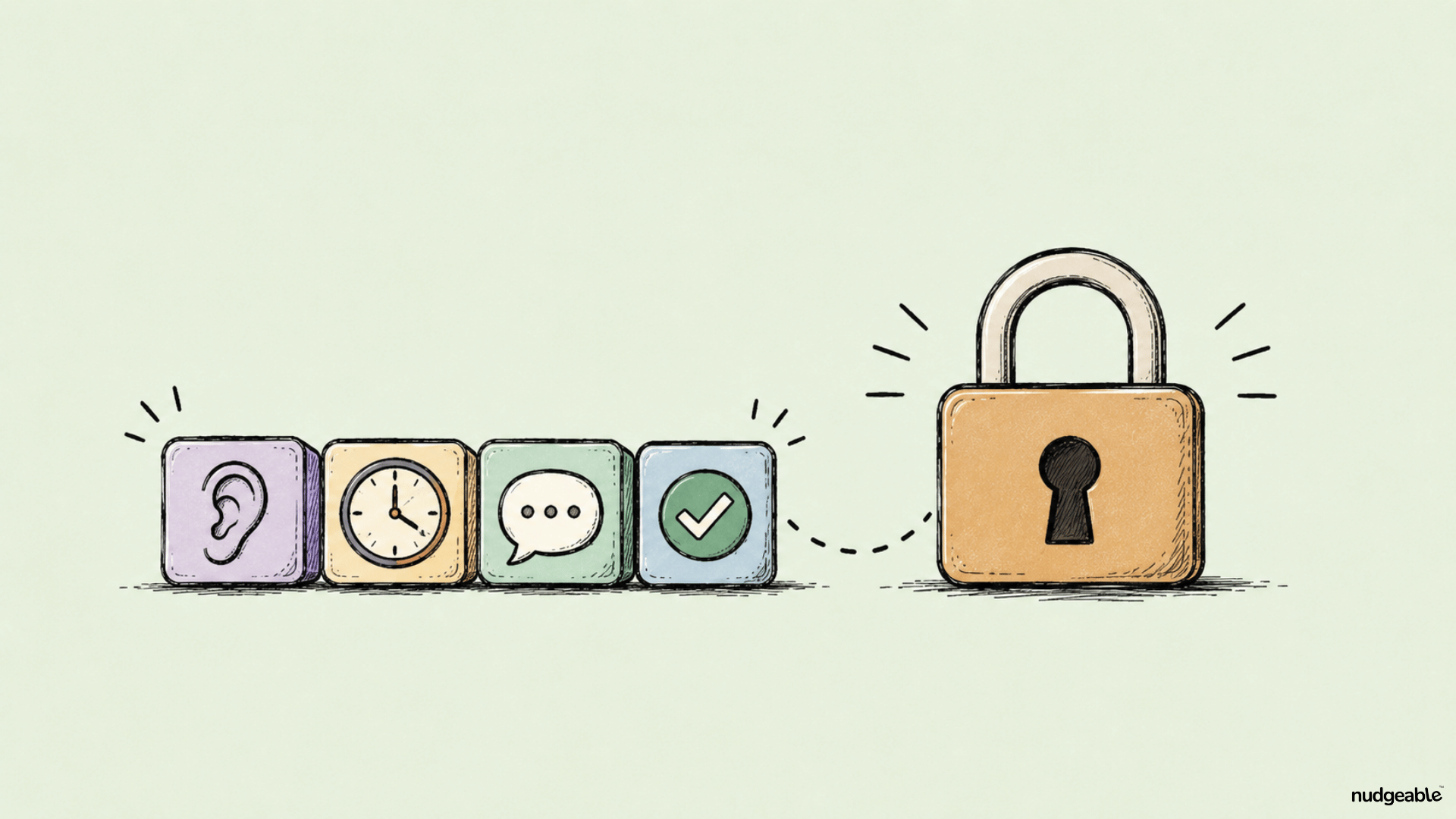
Instead of rating “fit,” identify qualities such as:
- Shares information with colleagues
- Challenges ideas respectfully
- Adapts after receiving feedback
- Takes responsibility for commitments
- Works effectively across different perspectives
These behaviors can be assessed through evidence. A general feeling of fit cannot.
Use structure to reduce interview bias
Awareness training alone will not remove unconscious bias. The interview process needs to make evidence easier to use.
Research reviews have found that structured interviews can reduce bias and improve consistency.
Organizations can take several practical steps:
Before the interview
- Define the capabilities required for the role.
- Convert each capability into observable evidence.
- Prepare the same core questions for every candidate.
- Agree on what strong and weak answers may include.
During the interview
- Ask job-relevant questions in a consistent order.
- Take notes based on evidence, rather than overall impressions.
- Avoid allowing shared hobbies to dominate the conversation.
- Ask follow-up questions to test the same capability across candidates.
After the interview
- Ask each interviewer to score independently before group discussion.
- Require examples supporting every rating.
- Discuss significant differences between interviewers.
- Separate “I liked the person” from “the evidence supports the decision.”
Turn inclusive hiring into repeatable action
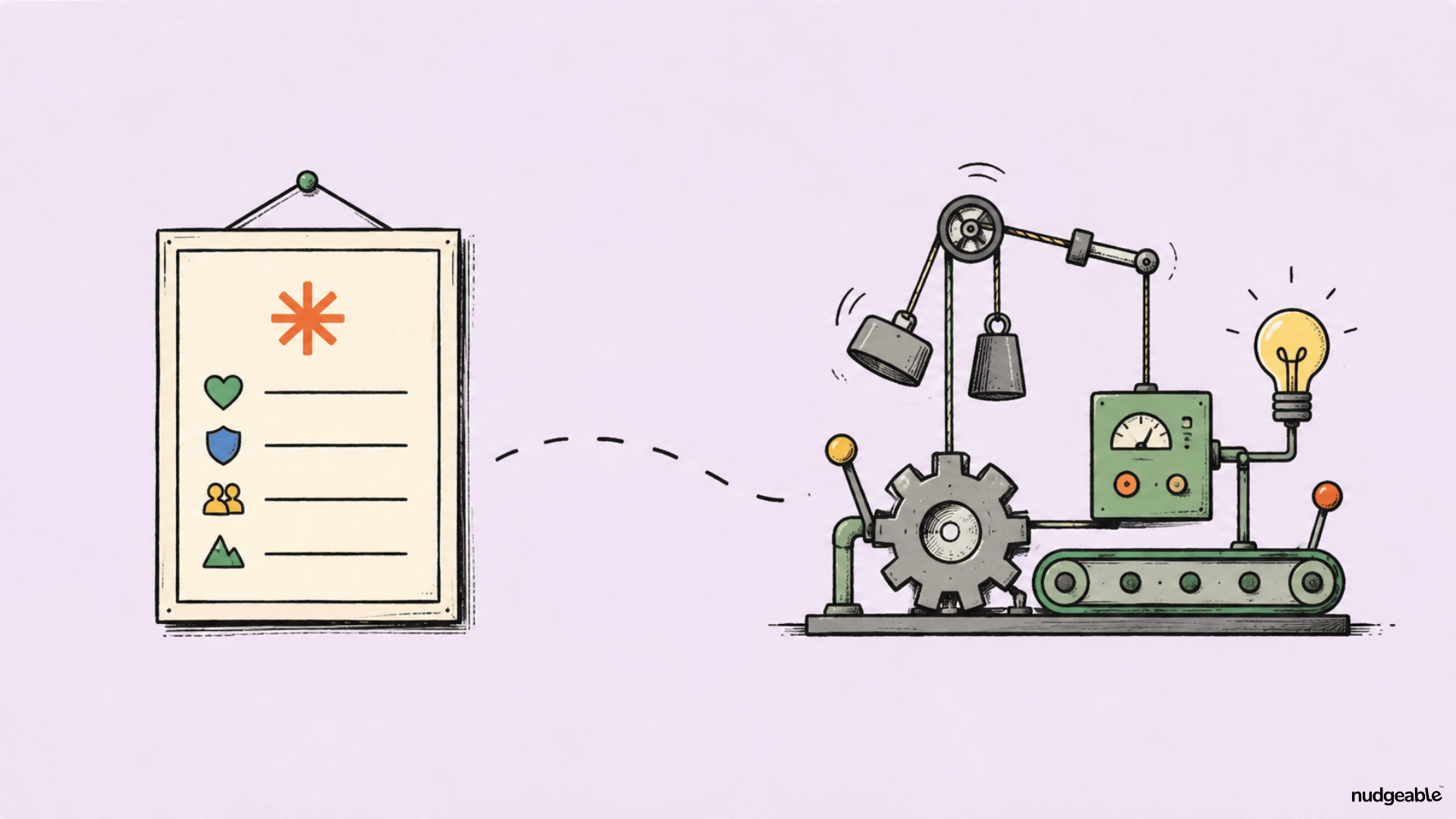
The Nudgeable Actions Engine can extend inclusive hiring and unconscious-bias programs by turning the learning into actions interviewers practise during real hiring decisions.
An interviewer might commit to scoring before discussing, asking the same core questions or writing evidence for every recommendation.
The aim is not to remove human judgment from hiring. It is to give that judgment a clearer structure and make it easier to challenge.
The candidate who feels most familiar may be enjoyable to interview. The strongest hire may be the person who brings something the existing team does not already have.