Why a Feedback App Cannot Create a Feedback Culture
Many organizations introduce new tools and frameworks hoping employees will start giving more candid feedback. This blog examines the deeper barriers involving trust, self-image and workplace norms, along with practical ways to build a healthier feedback culture.
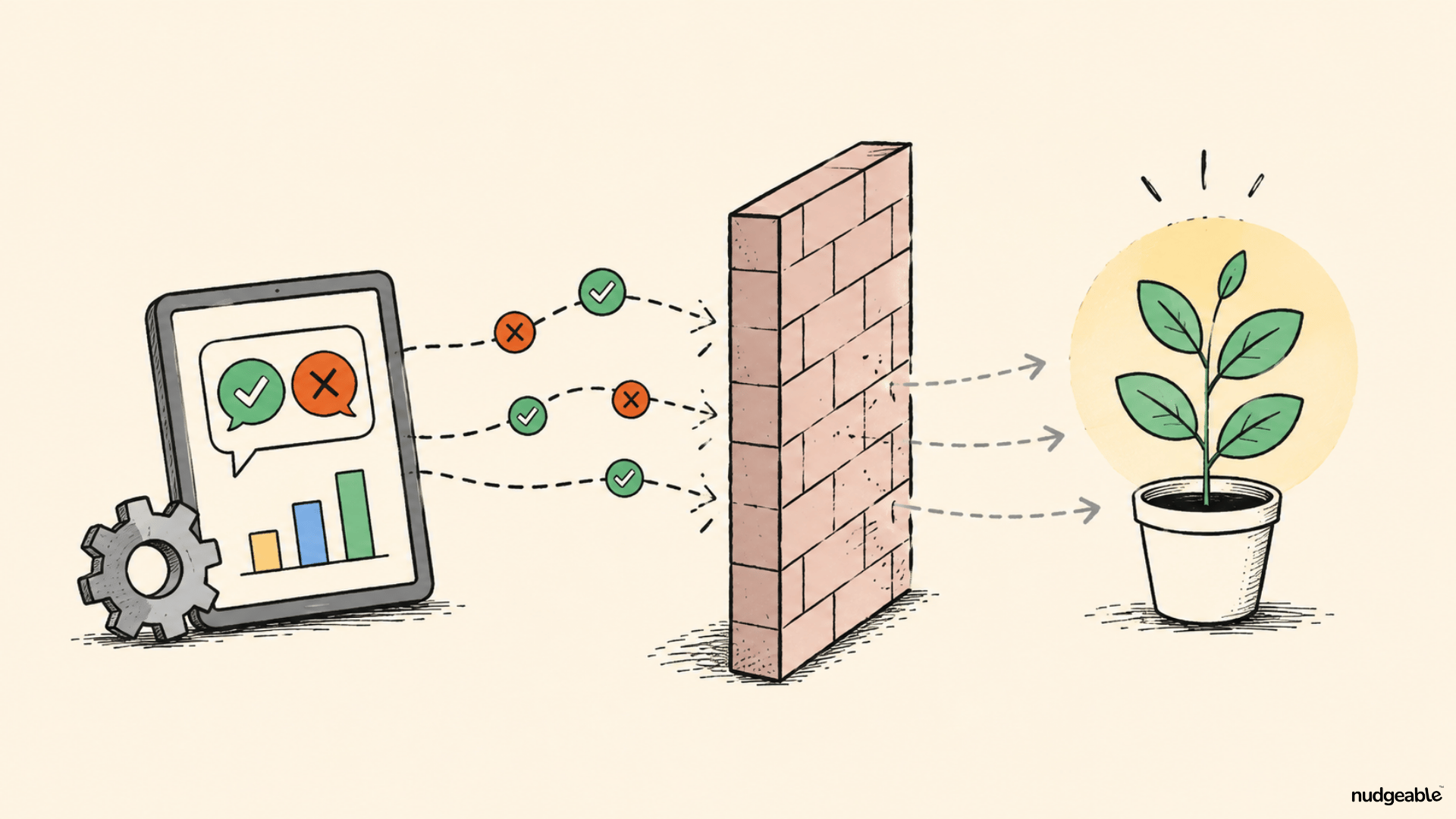
An organization wants to create a culture of feedback.
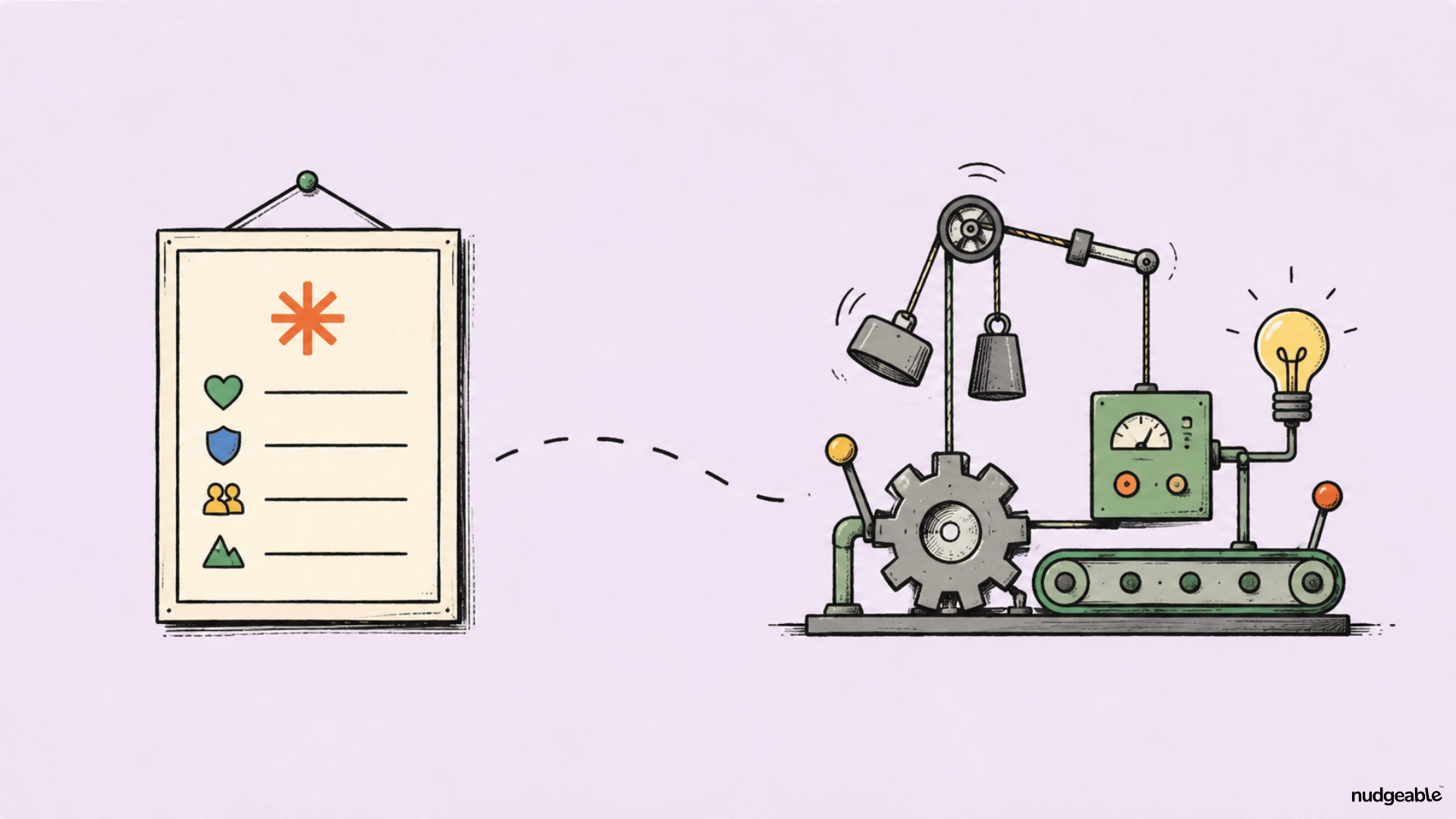
HR introduces a new feedback tool. Employees attend a workshop on the SBI model. Senior leaders encourage everyone to be more candid, and a few reminder emails are sent.
Six months later, very little has changed.
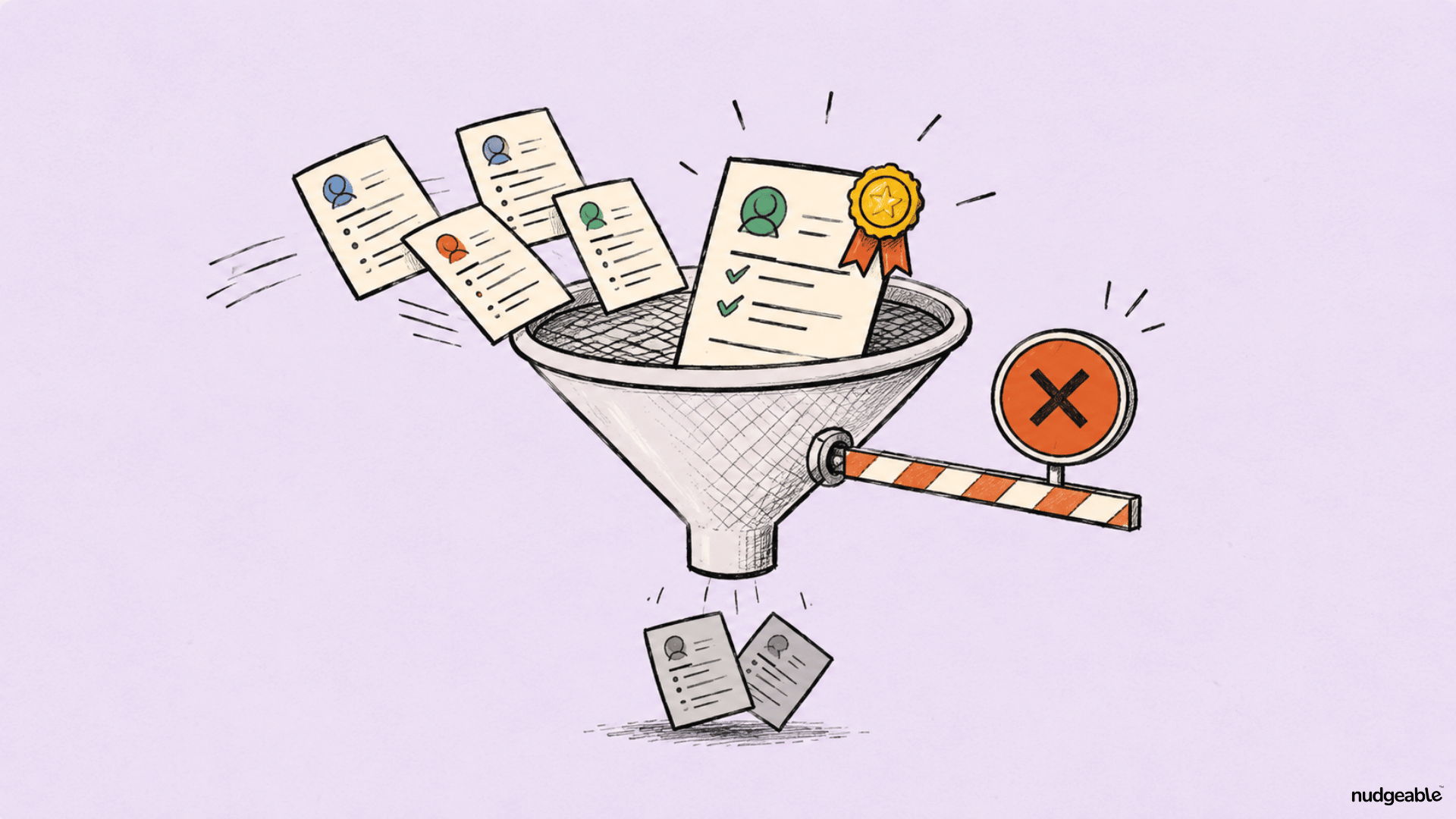
Managers still postpone difficult conversations. Peers avoid giving each other corrective feedback. Employees enter safe and generic comments into the system because they know the feedback may eventually reach their manager.
The natural conclusion is that the tool is not user-friendly enough or that employees need another workshop. The real barriers are usually more human.
Key insight: A feedback tool can make it easier to record feedback. It cannot remove the fear of damaging a relationship, looking incompetent or facing negative consequences for speaking honestly.
Why employees avoid giving feedback
Imagine that a colleague regularly interrupts you during meetings. You know the behavior is affecting the discussion, but saying something creates several uncomfortable questions:
- Will this damage our relationship?
- Is it really my responsibility?
- Will the person become defensive?
- Will anything change even if I speak up?
Behavioral science points to three common barriers. People fear relationship damage, believe feedback is the manager’s responsibility, or assume that the other person will not change.
The technical effort involved in giving feedback may be minimal. The emotional and social risk can be considerable. A new app simply gives employees another place to avoid an uncomfortable conversation.
Feedback without trust becomes noise
Most feedback training focuses on how to structure the message. Frameworks can help, but two conditions need to exist before the framework becomes useful: the employee must want to improve, and there must be trust between the giver and receiver.
That trust can take two forms:
- Professional trust: I believe you have enough expertise to comment on my work.
- Personal trust: I believe you care about me and are acting in my interest.
Imagine receiving the same suggestion from a trusted colleague and from someone you consider a workplace rival. The words may be identical, but you are unlikely to interpret them in the same way.
If we doubt the giver’s competence, we dismiss the message. If we suspect a hidden agenda, we defend ourselves against it.
Key insight: Before asking managers to give more feedback, organizations need to help them build the credibility and relationships that make their feedback worth receiving.
Why criticism feels personal
Most of us carry a positive image of ourselves. We believe we are competent and deserving of the role we hold.
Corrective feedback creates a conflict between how we see ourselves and how someone else appears to see us. A manager may intend to discuss one presentation, but the employee can hear a much broader message: “You are not as capable as you think you are.”
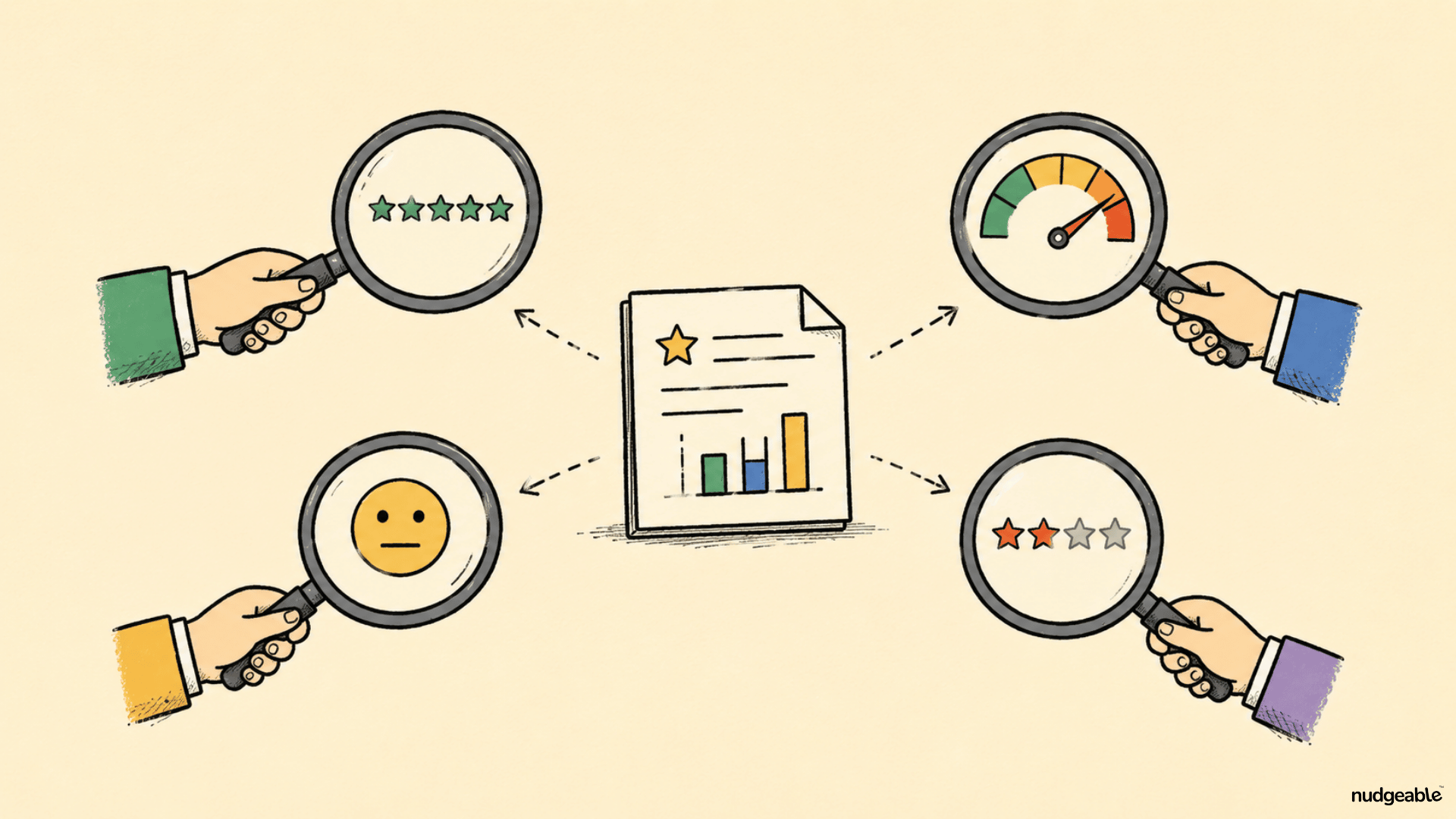
The association between feedback and annual ratings makes this reaction stronger. When employees hear, “I want to give you some feedback,” they may immediately anticipate judgment and consequences.
Changing the language can sometimes change the conversation.
Ask for advice instead of feedback
The word “feedback” encourages people to evaluate something that has already happened. “Advice” directs attention towards what can be done next.
Compare these questions:
- “What did you think about my presentation?”
- “What could I change to make my next presentation more powerful?”
The first invites a general evaluation. The second gives the other person a clear problem to solve. Advice also feels more future-focused and practical.
Shakespeare may have believed that a rose would smell as sweet by any other name. At work, the label we give to a conversation can change how people experience it.
The feedback sandwich creates confusion
The feedback sandwich places criticism between two pieces of praise. The intention is good, but people often remember the negative message and ignore the praise around it.
Once employees recognize the pattern, a compliment can become a warning that criticism is coming.
A clearer approach is to separate the conversations:
- Give praise when you notice something valuable.
- Explain specifically what the person did and why it mattered.
- Give corrective feedback close to the behavior.
- Discuss the impact without attacking the person.
- Agree on what can be tried differently next time.
Positive feedback deserves its own conversation. Corrective feedback deserves clarity.
Leaders create the social rules
Employees watch what happens when someone speaks honestly. If a leader asks for feedback and then becomes defensive, the team learns that silence is safer.
Leaders can establish different expectations by sharing feedback they have received, explaining what they changed, thanking people who raise difficult issues and admitting mistakes without immediately offering excuses.
Netflix is often used as an example. Its culture memo describes candor as willingly giving and receiving feedback, openly discussing what needs improvement and sharing learning from mistakes.
Writing “candor” in a culture document has limited value if leaders react badly when someone is actually candid.
Build feedback through everyday actions
A feedback culture develops when useful conversations become normal. Organizations can begin with a few observable actions:
- Ask every manager to seek one piece of advice from a team member each month.
- Encourage leaders to summarize what they heard before responding.
- Give corrective feedback close to the event.
- Recognize people who respectfully raise difficult issues.
- Ask whether previous feedback led to any visible change.
The Nudgeable Actions Engine can extend feedback training by turning the learning into specific actions participants practise over time. A manager might commit to asking for advice, giving specific praise or pausing before responding to criticism.
A feedback app may help capture a conversation. A feedback culture grows when people feel safe enough to speak honestly and trust that the other person will listen.
That change begins with what leaders repeatedly do when someone tells them something they may not want to hear.