What is
vibe coding?
You describe what you want in plain English and the AI writes the code and hands you something that runs. No files, no setup, no developer. It is the fastest way to turn an idea into a thing people can click, and worth understanding before you rely on one.
Four steps, and the fourth one is the one that matters. Tap through them.
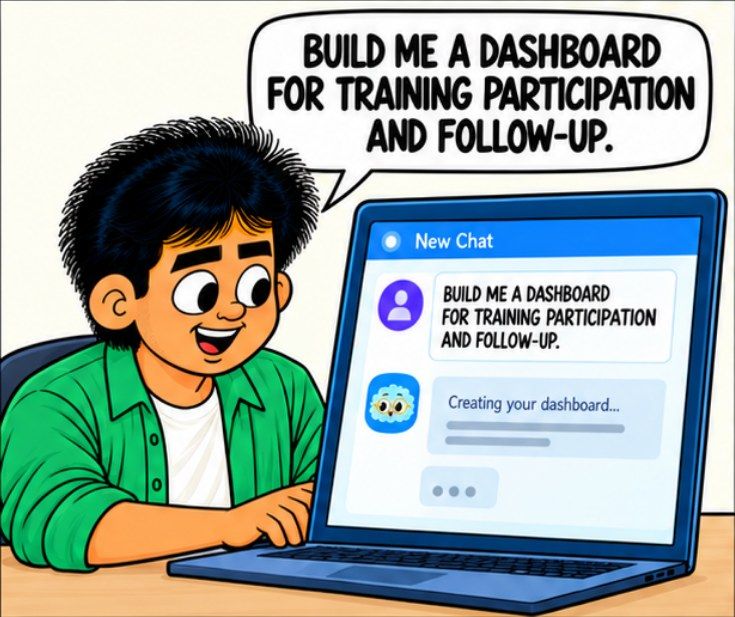
You ask in plain English
Andrej Karpathy, one of the founders of OpenAI, coined it in a post in February 2025. He described giving in to the vibes and forgetting that the code even exists, which was meant playfully and about his own weekend projects.
Collins Dictionary made it word of the year for 2025, which is roughly when the phrase stopped being a joke among engineers and started appearing in company plans.
Karpathy has since moved to calling the serious version agentic engineering, to keep it separate from the casual meaning. That split is the whole subject of this page.
There isn't one. It is a way of using the chat you already have, and every tool has given it a different product name.
Everyone looks for the button first. A new way of working usually arrives as a new menu item, so people go hunting for one.

It is not a feature, it is a way of asking. You ask for a thing you can use rather than an answer you can read, and the tool opens its building mode on its own.
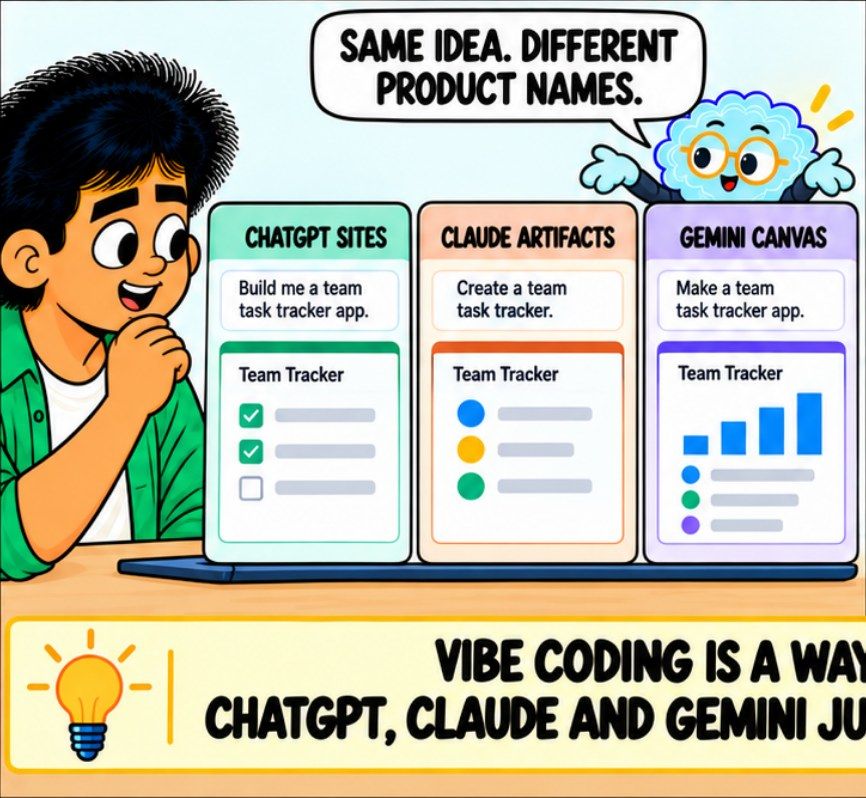
Same idea, three product names. The same request produces a working tool in each of the big three, under a name each company chose for itself.
Learn it once and it travels. Nothing about the skill changes when you move tools. Only the name on the panel changes.
If you can chat with the AI, you can do this today. Ask for a working tool rather than an explanation. "Build me a tracker for this" rather than "how would I build a tracker for this" is the whole difference.
Four situations where this beats every other option you have, including waiting for someone else to build it.

The honest answer is narrow. It is excellent for a small set of jobs and a poor choice outside them, and the whole skill is knowing which is which.
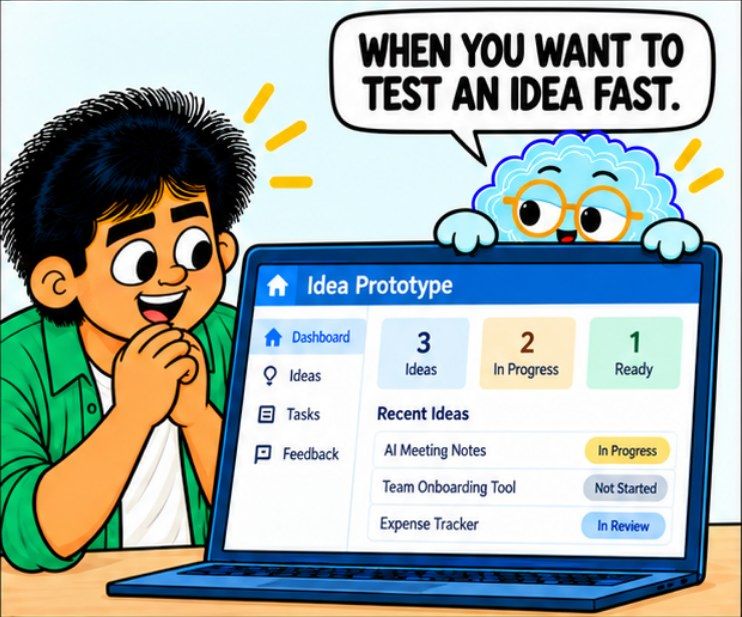
Test an idea before you commit to it. You find out in ten minutes whether the thing you imagined is actually useful, which normally takes a month and a budget.
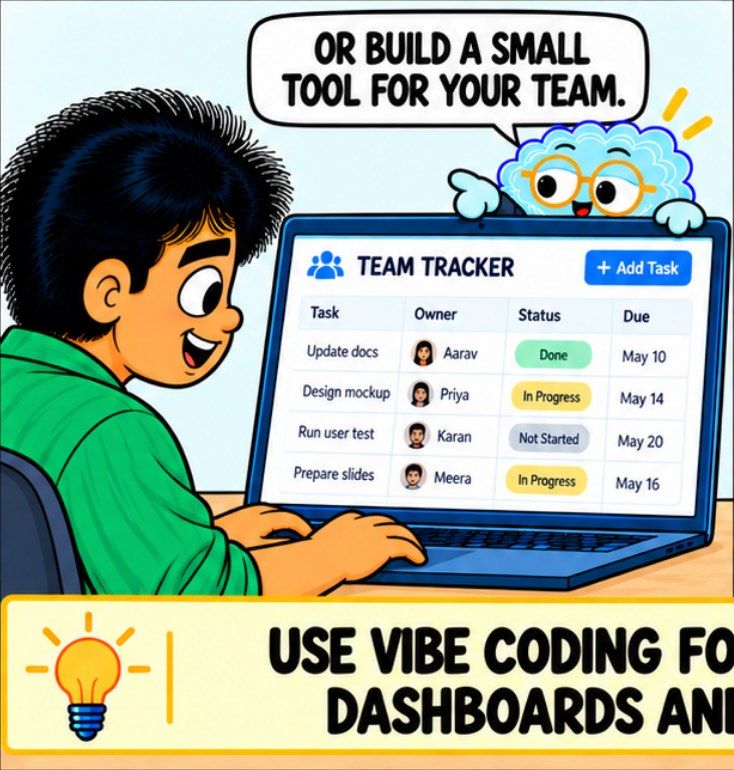
Build a small tool for your own team. A tracker, a checklist, a calculator. Small enough that if it is wrong, you will know and nobody outside the room is affected.
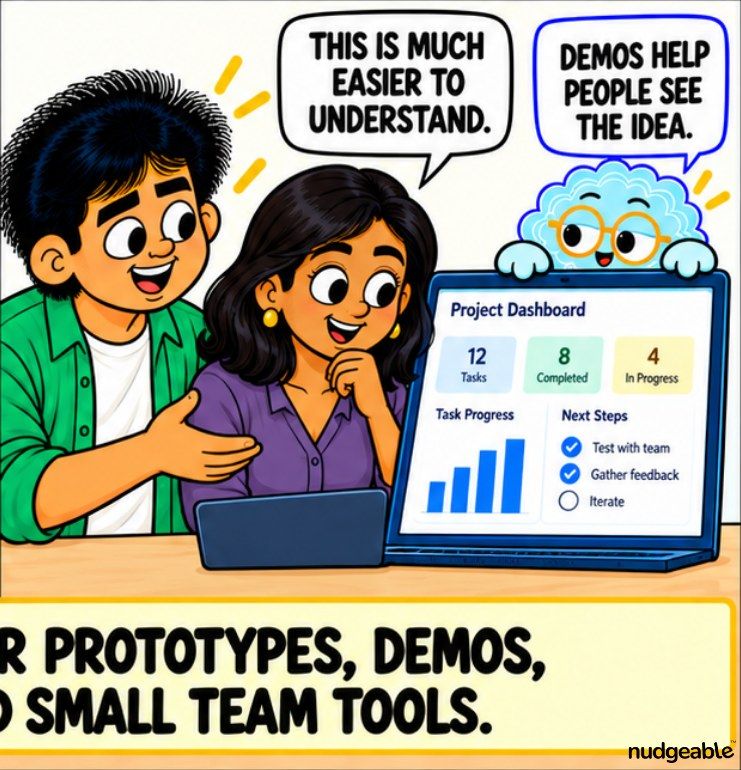
Show an idea instead of describing it. This is the most undervalued use. People argue with a slide about a dashboard and agree instantly once they can click one.
Testing an idea
You are not sure the idea is any good. Build it badly, look at it, and decide.
A small tool for one team
Something the people sitting near you will use, on information that is not sensitive.
A demo for a meeting
Something people can click for two minutes so the conversation stops being abstract.
A one-off calculation
A working out you need once, on numbers you already have in front of you.
The front of a vibe coded app is genuinely good, which is the problem. The part you cannot see is where it runs out.
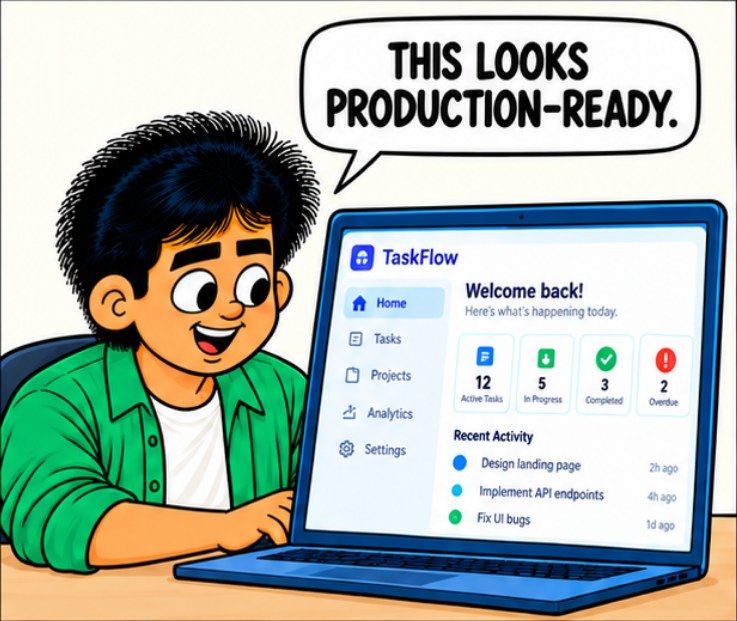
It does look finished. Real layout, real buttons, sensible headings. Nothing about the screen tells you what is behind it.
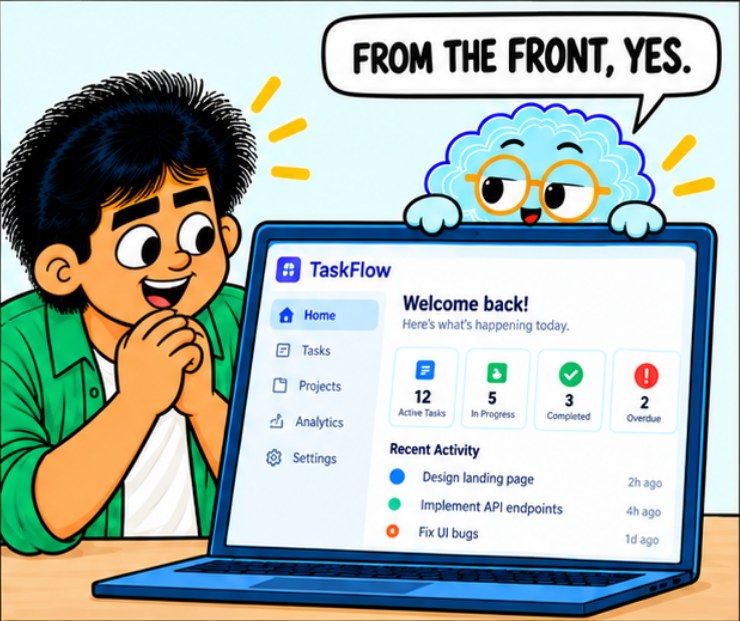
From the front, yes. That is a careful answer and it is worth hearing properly.
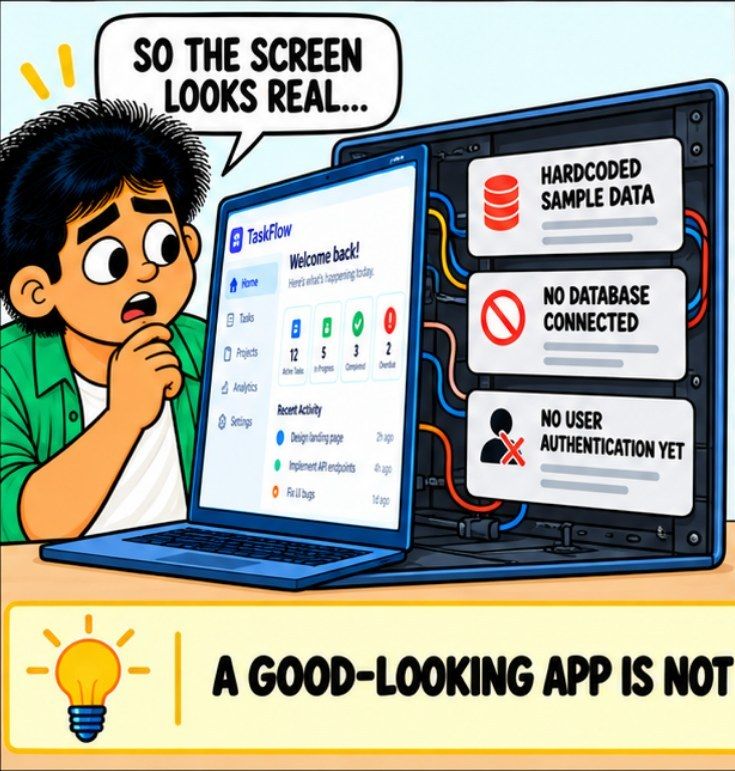
The numbers are usually invented. Sample figures typed in to make the screen look right, no real source behind them, and nothing stopping a stranger opening it.
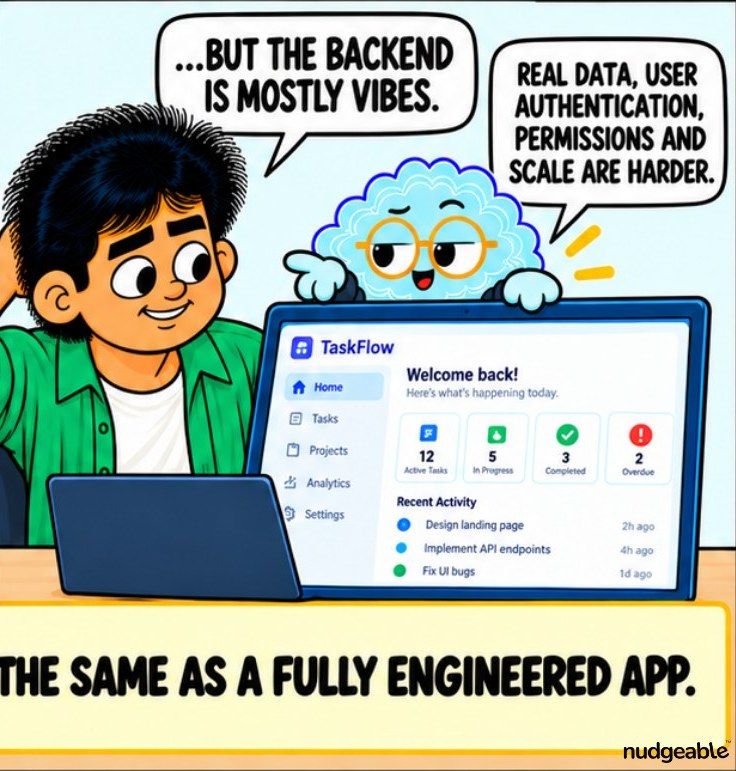
Everything that makes it real is the hard part. Real information, logins, who is allowed to see what, and holding up when thirty people use it at once.
Researchers found roughly five thousand vibe coded apps left open by their privacy settings, and around four in ten had almost no login protection at all. Hospital schedules, sales records and internal presentations were sitting at addresses anyone could open. Nobody involved meant to publish any of it.
Some jobs are not a matter of being careful. Hand these to a developer from the start.
Vibe coding is excellent at proving an idea and poor at carrying a responsibility. Use it to win the argument, then have the real thing built. That is a success, not a failure.
Same AI underneath, two completely different jobs. This is the comparison people get wrong most often.
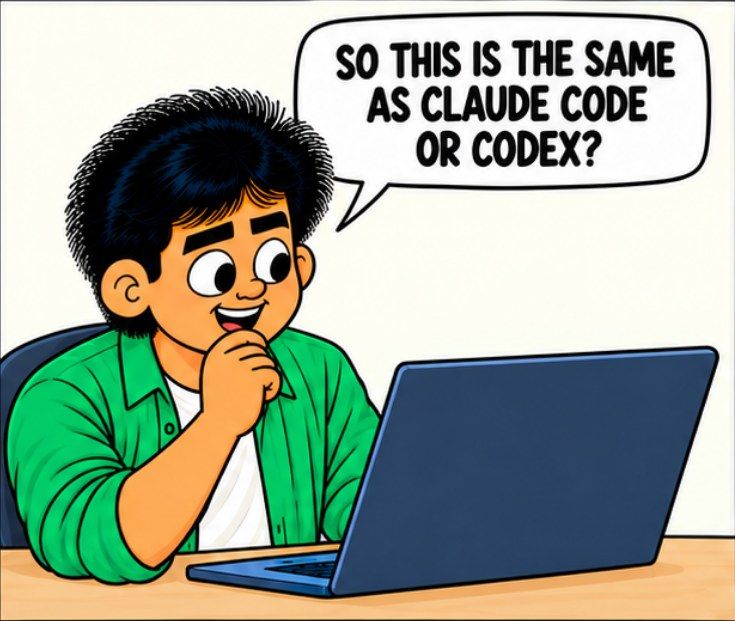
They sound like the same thing. Both are an AI writing code because you asked it to, so the question is fair.
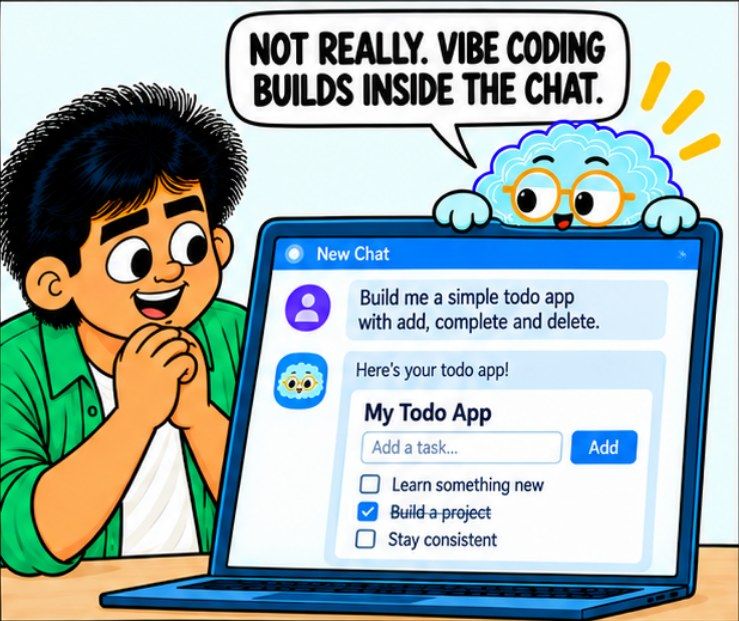
Vibe coding builds inside the chat. There are no files to open and nothing to set up. You get a working thing and you never see the code.
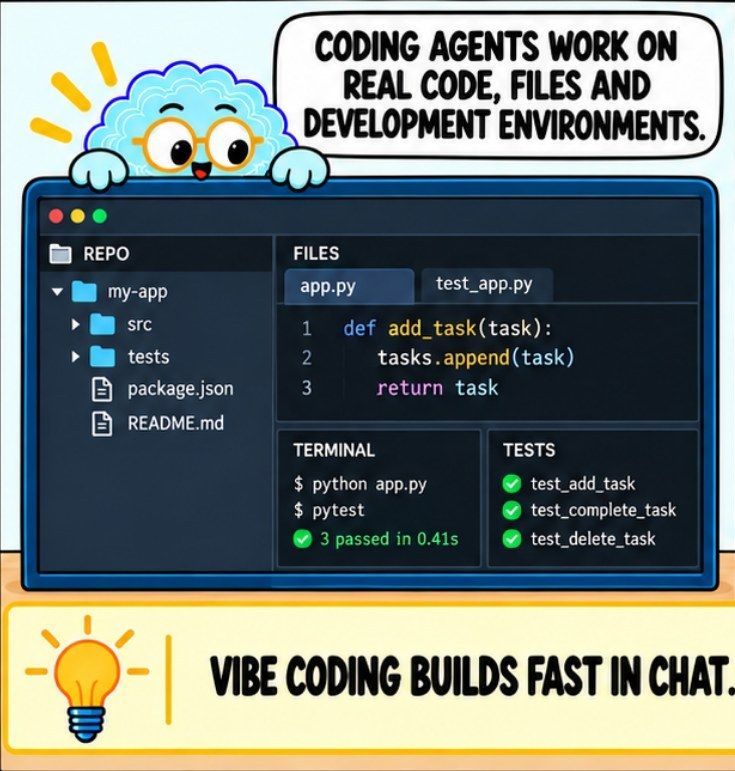
A coding agent works on a real project. Actual files, tests that pass or fail, a record of every change and a way to undo one.
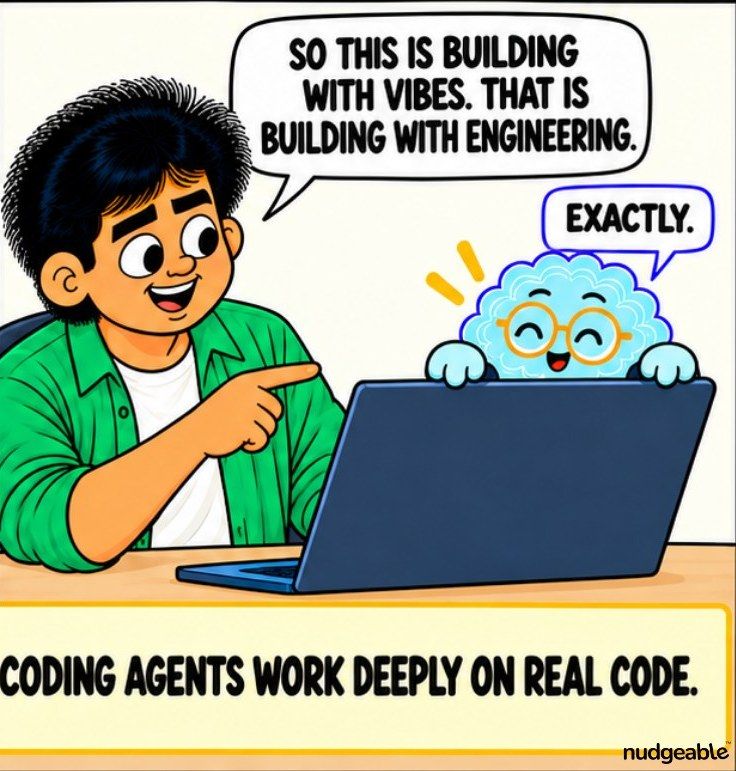
One shows the idea, the other ships it. They are not competing. Most good work starts as the first and ends as the second.
Vibe coding
Minutes. Inside the chat. No files, no code to read, no way to undo.
A coding agent
Hours or days. Inside a real project, with tests, a history of changes and a developer reviewing it.
Tap a card to turn it over.
"If it runs, it works."
Tap to flipThe screen running proves the screen runs. It says nothing about whether the numbers are real, who can open it, what happens when two people use it at once, or whether anything gets saved.
Tap to flip back"This means we do not need developers any more."
Tap to flipIt removes the developer from the first draft, not from the finished product. Most vibe coded things that matter get rebuilt properly, and arriving at that point with a working prototype is a much better start than arriving with a slide.
Tap to flip back"It is the same as using a coding agent."
Tap to flipVibe coding builds in the chat with no files and no way to undo. A coding agent works inside a real project with tests and a full history. One is for showing an idea, the other is for shipping it.
Tap to flip backSix real requests. Decide whether you would build it yourself in a chat, or hand it to a developer.
Four names for one way of working. Each name links to the official page.
| Tool | Called | What it makes | Worth knowing |
|---|---|---|---|
| Claude | Artifacts | A working page or small app that appears beside the conversation, with a link you can share. | Opens on its own as soon as you ask for something to use rather than something to read. |
| ChatGPT | Sites and Canvas | Sites builds and hosts a usable tool at a shareable address. Canvas is the side by side editor for documents and code. | Sites arrived on paid plans during 2026 and was not on the free tier when this page was written. |
| Google Gemini | Canvas | A page you and Gemini edit side by side, covering documents, code and small working apps. | Started as a writing and editing space and grew into building. Handy if your files already sit in Google. |
| Microsoft Copilot | Pages, with Power Apps behind it | A shared page your team works on together, with proper app building handled by a separate Microsoft tool. | Strongest when the tool has to sit on your organisation's own Microsoft information. Usually set up by your admin. |
These names and plan details change every few months, and the table is correct as of September 2026. What has not moved is the skill itself: describe the thing you want to use, look at what comes back, say what is wrong, repeat. That works in all four and will work in whatever replaces them.